
The Signal / Appraisal policy / October 12, 2026
Section 704 and the joint trades letter
The ROV law passed in July. The agencies have not written the rules yet.
A reconsideration of value (ROV) is a request that an appraiser look again at evidence the report may have missed. Section 704 of the 21st Century ROAD to Housing Act requires FHFA, FHA, VA and USDA to make lenders keep a procedure for borrower requests. It sets no deadline and no design. On October 7, twelve trade groups asked the agencies to follow the Fannie Mae and Freddie Mac rules. Whatever the agencies adopt will need to protect the borrower who questions an appraisal and the appraiser whose answer the borrower did not want.
Section 704(a), as of Oct. 12
- Agencies it names
- 4
- Deadline in the statute
- None
- Days since enactment
- 93
- Implementing notices we found
- 0
Joint trades recommendation
Twelve associations want one ROV process across four agencies, built on the Fannie Mae and Freddie Mac rules
On October 7, 2026, twelve housing and financial services associations sent a joint letter to FHFA, HUD, USDA and VA about carrying out the Appraisal Modernization Act, which is Section 704 of Public Law 119-101.1 At HUD, the letter is addressed to both the Federal Housing Administration and the Office of Public and Indian Housing. America’s Credit Unions announced its part in the letter the next day.3
Joint trades letter October 7, 2026
To FHFA, HUD (FHA and Public and Indian Housing), USDA and VA
Re: Appraisal Modernization Act implementation
- Ask 1
Use the existing GSE framework: “align the ROV process with the collateral valuation standards already established by Fannie Mae and Freddie Mac.”
- Ask 2
Build any additions together: “we request that any additions to the GSE standards be adopted by all the covered agencies.”
- Ask 3
Share the parts lenders handle: “common forms for borrowers, standard data fields for tracking purposes,” and “consistent procedural steps and requirements for all the parties involved.”
- Ask 4
Explain it to borrowers: “Clear educational information and instructional materials for borrowers.”
The letter ties a shared process to appraiser independence, describing it as a way of “preventing undue pressure for appraisers to meet a certain property value,” and to accountability, citing the “information it needs to identify appraisers who fail to meet professional expectations.”1 The ABA Banking Journal led its coverage with one sentence from it: “A single, uniform reconsideration of valuation process will facilitate compliance.”2
The accountability language in the letter points at appraisers. We found nothing in it about recording what happens to an appraiser after an ROV, such as lost assignments, panel removals or complaints filed after an unchanged value. Chapter 06 takes up that gap.
The twelve signatories
- America’s Credit Unions
- American Bankers Association
- Broker Action Coalition
- Collateral Risk Network
- Community Home Lenders of America
- Defense Credit Union Council
- Housing Policy Council
- Independent Community Bankers of America
- Mortgage Bankers Association
- National Association of Mortgage Brokers
- National Association of Realtors
- Real Estate Valuation Advocacy Association
Eight of the twelve also signed the May 29 letter to FHFA about Executive Order 14393, which our earlier feature covers. The Collateral Risk Network and the Real Estate Valuation Advocacy Association, two valuation industry groups, are on this one.
Enacted July 11, 2026
The statute requires a procedure and leaves its design and timing to the agencies
Section 704 of the 21st Century ROAD to Housing Act carries the short title Appraisal Modernization Act. Its operative sentence names four officials.4
“The Secretary of Agriculture, the Secretary of Veterans Affairs, the Commissioner of the Federal Housing Administration, and the Director of the Federal Housing Finance Agency shall each implement and maintain requirements that creditors of a federally backed mortgage loan have a review and resolution procedure for a consumer-initiated reconsideration of value or subsequent appraisal in connection with a consumer credit transaction secured by a consumer’s principal dwelling.”
A federally backed mortgage loan takes its meaning from Section 4022 of the CARES Act, which covers loans insured by FHA, guaranteed or insured by VA, guaranteed, insured or made by USDA, guaranteed under the Section 184 and 184A Native American housing programs, and purchased or securitized by Fannie Mae and Freddie Mac. Those programs are the likely reason the letter also goes to HUD’s Office of Public and Indian Housing, which runs Section 184. Section 704(a) names the FHA Commissioner and not that office, so whether its requirement reaches Section 184 loans is unclear. Section 704(a) sets no deadline. It does not mention the Fannie Mae and Freddie Mac standards; matching them is the trade groups’ proposal.14
What Section 704(a) requires
- Each of four agencies sets requirements
- Lenders keep a review and resolution procedure
- It covers consumer-initiated ROVs and subsequent appraisals
- Principal dwellings, federally backed loans
What the letter adds
- Align with the Fannie Mae and Freddie Mac framework
- Develop any additions jointly
- Common forms and tracking fields
- Standard borrower education
Section 704(b) is a separate requirement. GAO must report within 240 days of enactment on whether a public appraisal database drawing on FHFA, FHA, USDA and VA data is feasible. The report covers costs and benefits, which agency would run it, privacy, antitrust, safety and soundness, matching to HMDA data, and records back to January 1, 2017. After it arrives, the Senate Banking Committee and the House Financial Services Committee must each hold a hearing.4 Counted from July 11, 2026, the report is due by March 8, 2027. Section 704(b) asks for a study and does not create a database.
Where implementation stands. As of October 12 we found no notice from FHFA, FHA, VA or USDA implementing Section 704(a). The 2026 FHA mortgagee letters we found address other appraisal questions; ML 2026-10, issued June 23, made appraisal field reviews optional in lender quality control.14 Executive Order 14393, signed March 13, tells financial regulators, HUD and VA to consider appraisal changes in its Section 6, and does not mention ROV.13 Our feature on the order follows the comment letters it drew.
Why borrowers ask
When the value comes in below the price, the buyer covers the difference in cash
When a loan is capped at a percentage of the lower of the price or the appraised value, a value below the price raises the cash the buyer needs, even though the price has not changed. The calculator starts from a hypothetical $400,000 purchase, a $380,000 appraisal and an 80% cap, with every other eligibility condition assumed to be met.
At the defaults, the buyer brings $96,000 toward the price instead of $80,000, a difference of $16,000 before closing costs. That explains why a borrower might ask for a reconsideration. It says nothing about whether the higher figure is supported. A contract price is one negotiated sale, and a gap between price and appraisal does not by itself show a defect in the report. Fannie Mae’s rules allow for a supported value that stays the same by requiring the appraiser’s commentary whatever the outcome.5
How often the answer disappoints
Some distance between what an owner expects and what an appraisal supports is normal. A 2009 study using the Health and Retirement Study found homeowners overestimated the value of their homes by 5 to 10 percent on average.16 For purchases, FHFA reported that 15.2% of 2021 appraisals came in below the contract price.15 The two figures measure different things, and both point the same way: a working ROV process will close some requests with a supported, unchanged value and a borrower who is still disappointed.
- All purchase appraisals15.2%
- Tracts 0 to 50% minority13.4%
- Tracts 50.1 to 80% minority19.2%
- Tracts 80.1 to 100% minority23.3%
Data table
| Group | Share below contract |
|---|---|
| All purchase appraisals | 15.2% |
| Tracts 0 to 50% minority | 13.4% |
| Tracts 50.1 to 80% minority | 19.2% |
| Tracts 80.1 to 100% minority | 23.3% |
Low appraisals were also not spread evenly. The rate rose from 13.4% in tracts where minority residents are half the population or less to 23.3% in tracts above 80%.15 Fannie Mae’s study of 1.8 million refinance appraisals from 2019 and 2020 found Black borrowers received slightly lower values relative to automated valuation models, and that homes owned by white borrowers were overvalued more often.18 That evidence is part of why ROV rules exist. A borrower’s request deserves a real review, and a review that finds the value supported is a legitimate result.
What lenders work with now
Fannie Mae publishes the most detailed borrower ROV rules, FHA rolled its 2024 changes back, and we could not verify the rest
The timeline runs oldest to newest. Each event carries the kind of document it is, because a recommendation, a guidance letter and a program requirement bind different parties.
- Agency policy
FHA ML 2024-07
FHA adds appraisal review and borrower ROV updates, later delayed by ML 2024-16.10
- Supervisory guidance
Interagency ROV guidance
Five federal financial regulators describe ROV policies, complaint handling and risk controls for the institutions they supervise.12
- Agency policy
FHA ML 2025-08
FHA rescinds MLs 2024-07, 2024-16 and 2021-27 and restores its earlier, underwriter-initiated ROV language.10
- Executive order
Executive Order 14393
Section 6 tells regulators, HUD and VA to consider appraisal changes. It does not mention ROV.13
- Enacted law
Public Law 119-101, Section 704
Four agencies must require lenders to keep a review and resolution procedure for consumer-initiated ROVs.4
| Program | Who starts it | Limits | Timing | Second appraisal | Status |
|---|---|---|---|---|---|
| Fannie Mae57 | Borrower, through the lender | One borrower ROV per appraisal; up to five alternative comparable properties | Disclosed when the appraisal goes to the borrower; not after closing | Lender decides whether to accept the appraisal; a second appraisal is not automatic | GSE requirement |
| Freddie Mac89 | Borrower, through the seller | One per appraisal and up to five comparables, reported in secondary sources; live Guide text not retrieved | Disclosed at appraisal delivery since Bulletin 2025-12 | Subject to the Appraiser Independence Requirements | Not verified |
| FHA10 | Underwriter | Underwriter may request an ROV when the appraiser did not consider relevant information | Restored March 19, 2025 | Only when the first appraisal is materially deficient and the appraiser is unable or uncooperative | Agency policy |
| VA1120 | Two stages, per a 2021 VA description | Tidewater before the value is final; ROV after the Notice of Value | 2021 VA description: 2 business days for Tidewater data, 5 for staff ROV review. The 2017 Tidewater circular was rescinded in 2020 | Current Handbook text not retrieved | Not verified |
| USDA housing | Not found | We could not read the current guaranteed loan handbook and found no published USDA ROV guidance | Not found | Not found | Not verified |
| HUD Section 18421 | No ROV provision | The current handbook’s appraisal chapter has no ROV provision and points to FHA Handbook 4000.1 for appraiser matters | None in the handbook | Not addressed | Agency policy |
Fannie Mae
Selling Guide B4-1.3-12 requires lenders to have borrower ROV procedures. A borrower gets one ROV per appraisal and may submit up to five alternative comparable properties. The lender discloses the process when it delivers the appraisal, completes its own appraisal review, has an underwriter or appraisal specialist screen the request, and follows the Appraiser Independence Requirements. The appraiser delivers a revised report with commentary on the conclusions regardless of the outcome. After closing, a borrower can no longer submit a request.5
In September 2025 Fannie Mae removed the disclosure at application and cut retention to the ROV outcome.6 Its FAQ says lenders develop their own forms, and that an ROV leaving the value unchanged does not automatically lead to another appraisal; accepting the appraisal stays the lender’s call.7
Freddie Mac
Bulletin 2025-12, issued September 3, 2025, made the same disclosure and retention changes and points to Guide Section 5604.4.8 The live section did not load for us, so we have not confirmed line by line that it matches Fannie Mae. Secondary sources that reproduce the Guide text report the same rules: one borrower ROV per appraisal, up to five alternative comparables, the seller’s own review first, a revised report with commentary whatever the outcome, and no ROV after closing.9
FHA
Mortgagee Letter 2025-08 rescinded MLs 2024-07, 2024-16 and 2021-27 and restored earlier policy, citing executive orders of January 20, 2025. The restored text: “The underwriter may request a reconsideration of value when the Appraiser did not consider information that was relevant on the effective date of the appraisal.” A second appraisal “may only be ordered if the Direct Endorsement (DE) underwriter” finds the first “materially deficient and the Appraiser is unable or uncooperative in resolving the deficiency.” If new data was unavailable through no fault of the borrower, “the Borrower must not be held responsible for the additional costs.”10 We found no later FHA letter on ROV.
VA
A 2021 VA communication describes two stages. The Tidewater process lets the lender send sales data before the value is final when the appraiser expects to come in below the contract price, with two business days to respond. An ROV comes after the Notice of Value, with five business days for VA staff review.11 The Tidewater procedure first appeared in VA Circular 26-17-18 in 2017, which gave the lender “2 working days” and was rescinded on July 1, 2020.20 We could not read the current Lenders Handbook, so treat those timeframes as the 2021 description.
USDA
USDA’s handbook site blocked our requests, so we could not read the current guaranteed loan handbook, HB-1-3555. We found no published USDA guidance on ROV. Section 704(a) names the Secretary of Agriculture, so USDA is now required by statute to set a procedure.4
HUD Section 184
The appraisal chapter of the current Section 184 handbook has no ROV provision. It directs appraisers and lenders to FHA Handbook 4000.1 for appraiser communications, fees and independence safeguards.21 Section 184 loans fall within Section 704’s loan definition, but none of the four officials the section names runs the program.4
Bank regulators
The Federal Reserve, CFPB, FDIC, NCUA and OCC issued interagency ROV guidance on July 18, 2024. It describes policies an institution may adopt so consumers can submit information an appraisal missed, along with complaint handling and controls for discrimination risk. It is supervisory guidance for the institutions those agencies examine, separate from a GSE delivery rule or the new statute.12
How a request moves
A useful request names a fact, attaches evidence and asks a question the appraiser can answer
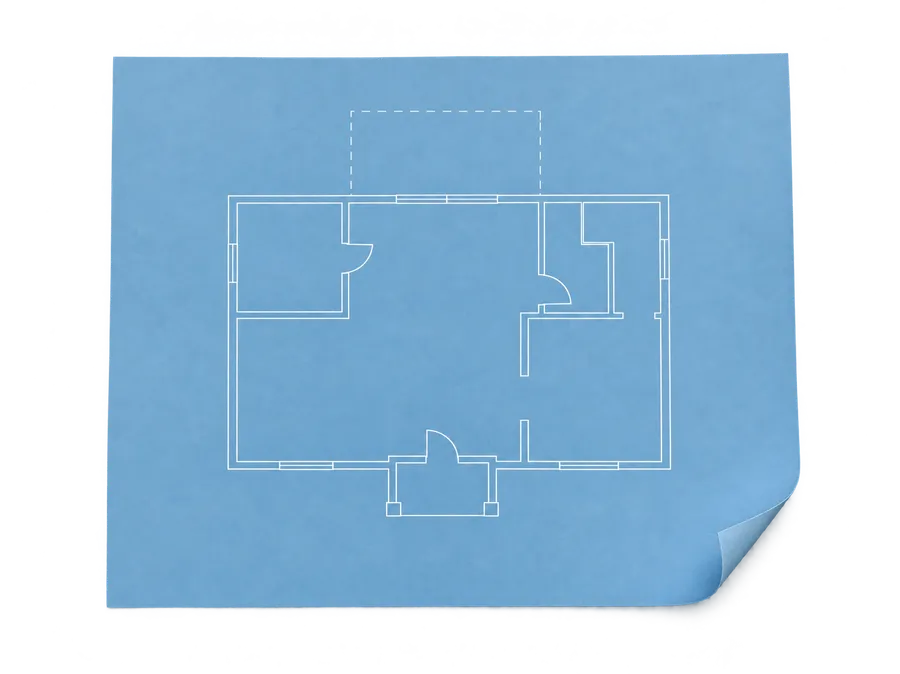




- IssueWhich fact or conclusion may be wrong
- EvidenceThe permit, plan or closed sale that supports it
- ExplanationWhat the appraiser is asked to address
Under Fannie Mae’s rules, the lender reviews the appraisal first, has an underwriter or appraisal specialist screen the request, asks the borrower for anything missing, and sends it to the appraiser through a channel that follows the Appraiser Independence Requirements. The appraiser returns a revised report with commentary whatever the result, and the outcome goes in the loan file.5 The explorer follows three fictional requests through those steps. The paths are our illustration, not a flowchart from any program.
Fictional case. The report lists two bathrooms. The borrower has a permit and final inspection for an addition with a third.
- 1
Lender screening
Underwriter or appraisal specialist
Confirms the request names a specific fact and comes with support.
- Which field is wrong
- Permit, inspection or plan
- Was it in place on the effective date
- 2
Request to the appraiser
Lender, through its approved channel
Sends the evidence and one question, with no value target.
- Evidence attached
- Specific question
- No requested value
- 3
Appraiser response
Appraiser
Corrects the record and explains whether the market treats the change as significant.
- Revised report
- Commentary on the conclusion
- Effective date unchanged
Possible outcomeReport corrected, value unchanged
Possible outcomeReport corrected, value revised
Fictional case. The borrower submits closed sales they believe are more similar than the ones in the report.
- 1
Lender screening
Underwriter or appraisal specialist
Checks the sales are closed, dated before the effective date, and within the limit of five.
- Closed, not listed
- Sale date and source
- Why each sale is relevant
- 2
Request to the appraiser
Lender, through its approved channel
Asks the appraiser to consider each sale and explain how it compares.
- Up to five sales
- Differences named
- No requested value
- 3
Appraiser response
Appraiser
Explains why each sale was or was not used, and whether it changes the analysis.
- Revised report
- Reasons for each sale
- Reconciliation
Possible outcomeValue unchanged, with reasons
Possible outcomeValue revised
Fictional case. The borrower believes the appraisal reflects bias or unprofessional conduct.
- 1
Lender screening
Lender, under its complaint and fair lending process
Records the concern separately from any value question.
- What was observed
- Where in the report
- Complaint log entry
- 2
Further review
Reviewer or a second appraiser
A review or second appraisal may follow where program rules allow it.
- Reason for review
- Who performs it
- Program rule relied on
- 3
Referral
Lender
Where warranted, a referral to the state appraiser board or another authority.
- Allegation recorded
- Finding recorded separately
- Referral date
Possible outcomeConcern documented and resolved
Possible outcomeFurther review or referral
Illustrative workflow. It collects nothing and is not a submission form.
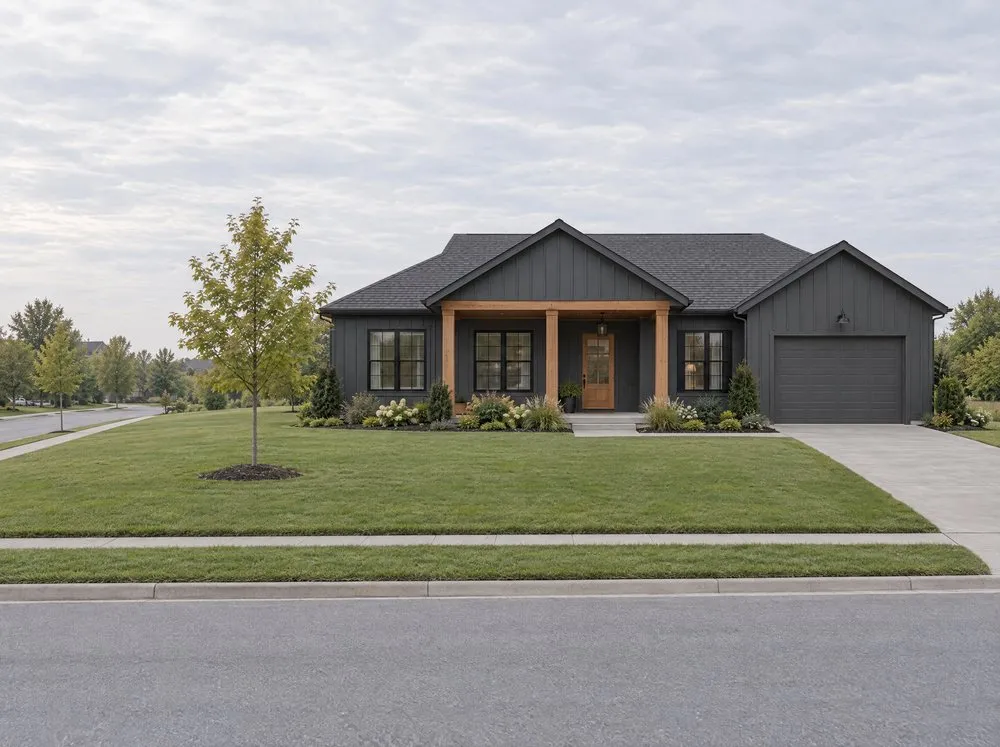
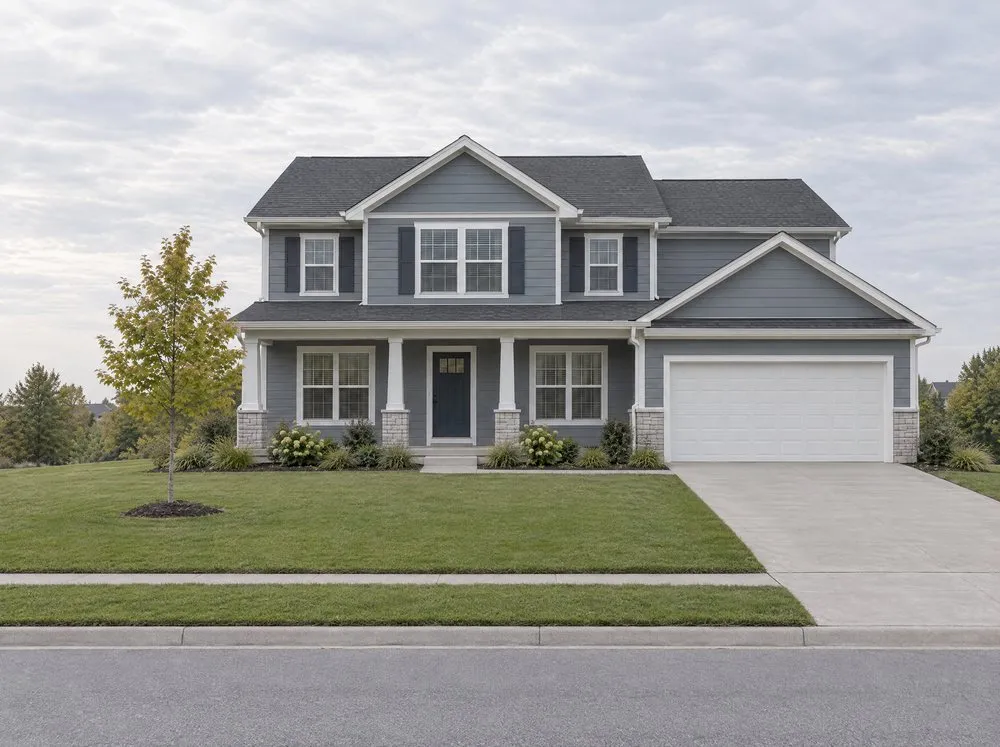
Up to five sales, each with a reason
Fannie Mae lets a borrower submit up to five alternative comparable properties.5 A sale helps when the request says why it is relevant. Each fictional sale below differs from the subject in a way a reviewer would ask about.
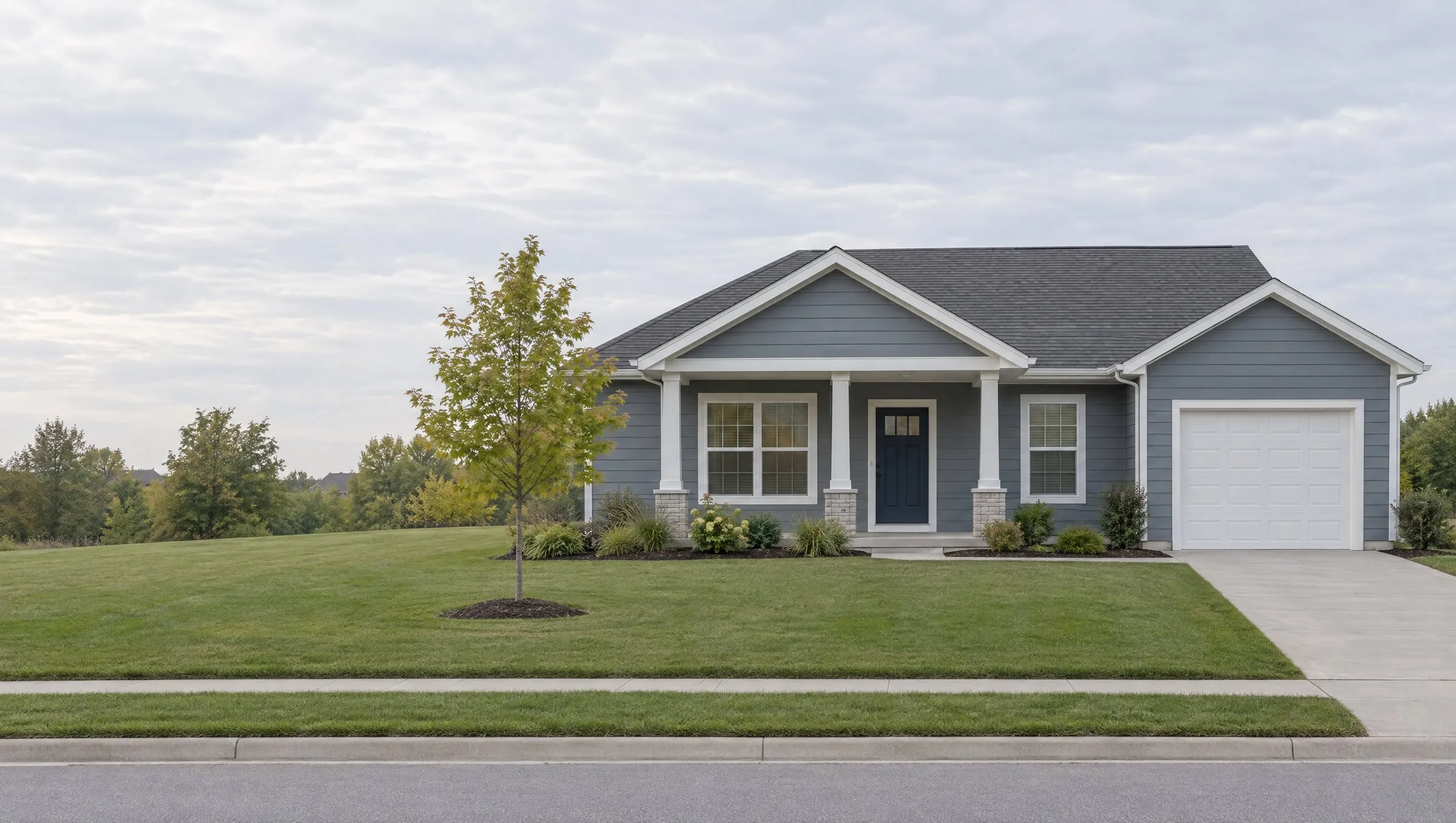
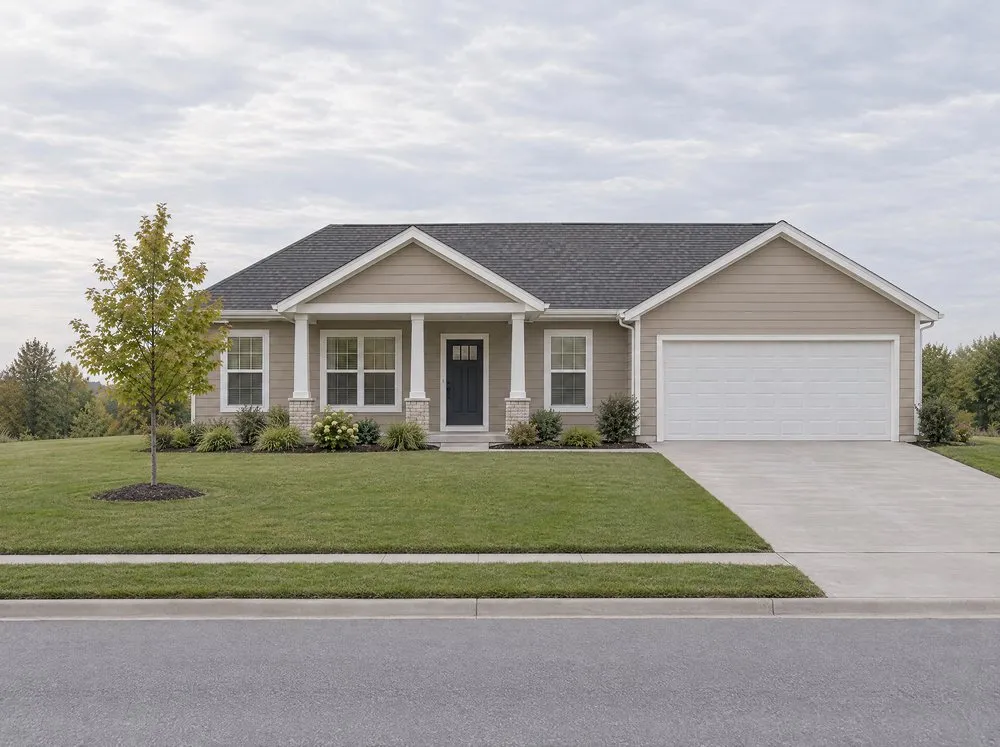
- Two-car garage
- Beige siding
How does the market price the second garage bay?
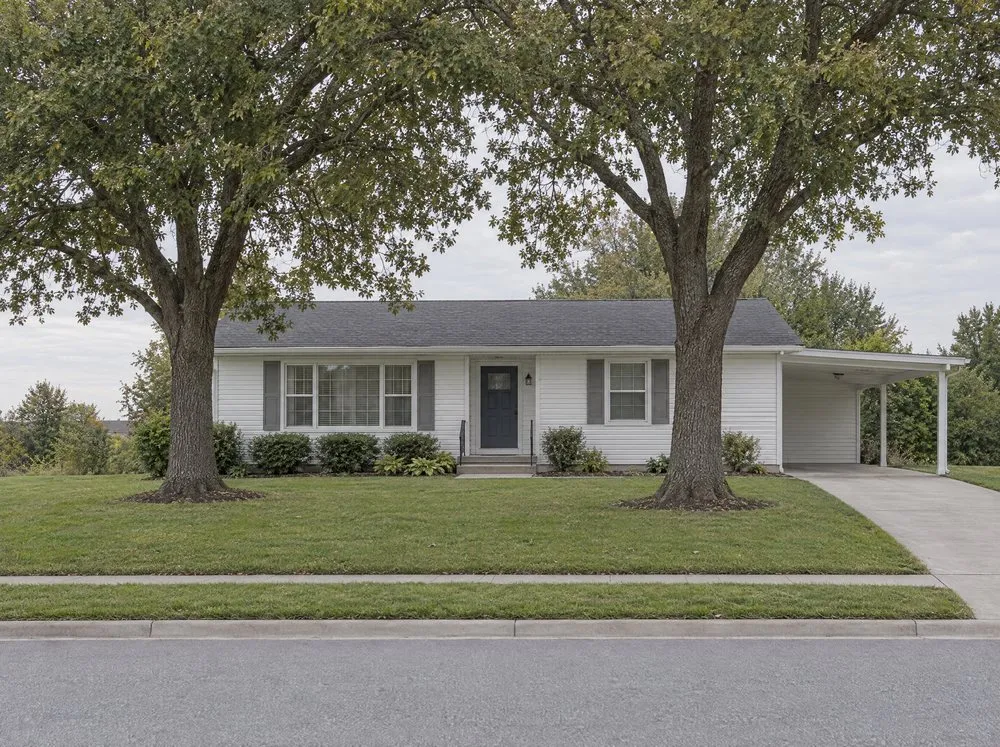
- Built around 1965
- Carport, no garage
Is the age and size gap too large to bracket the subject?
- Recent renovation
- Larger corner site
Can condition and site be separated in the adjustments?
- Larger living area
- Different design
Do buyers here treat two-story homes as substitutes?
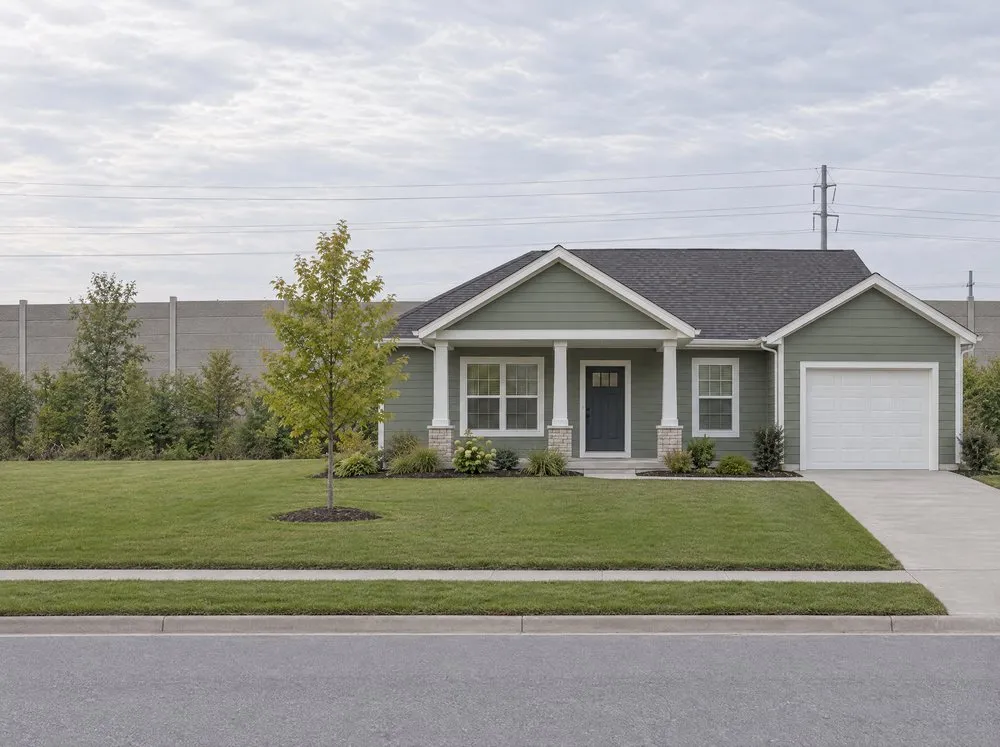
- Sound wall behind
- Power lines
What does the external factor do to price?
AI-generated illustrations of fictional houses. No sale data is implied.
A correction that may or may not change the value
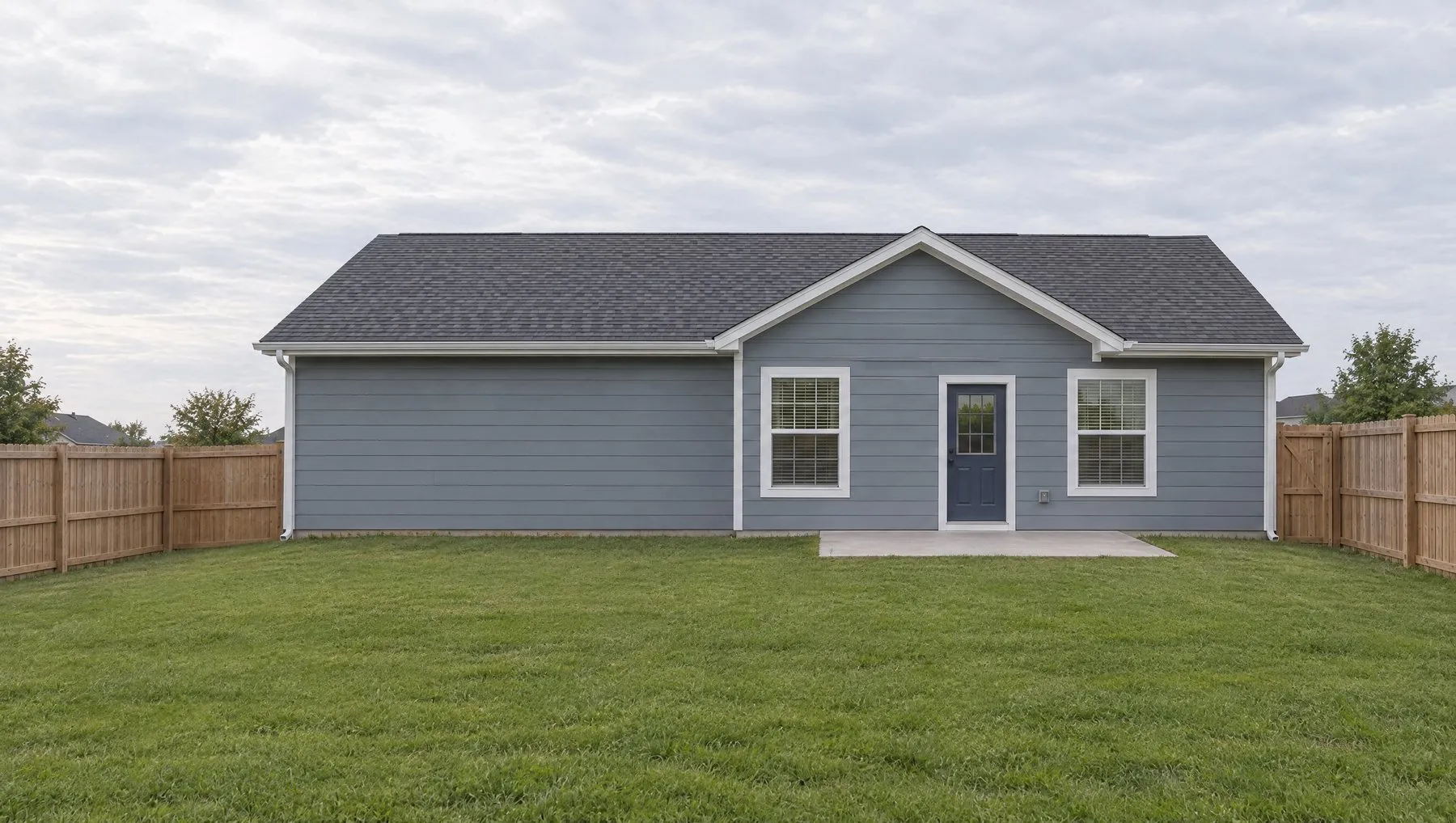
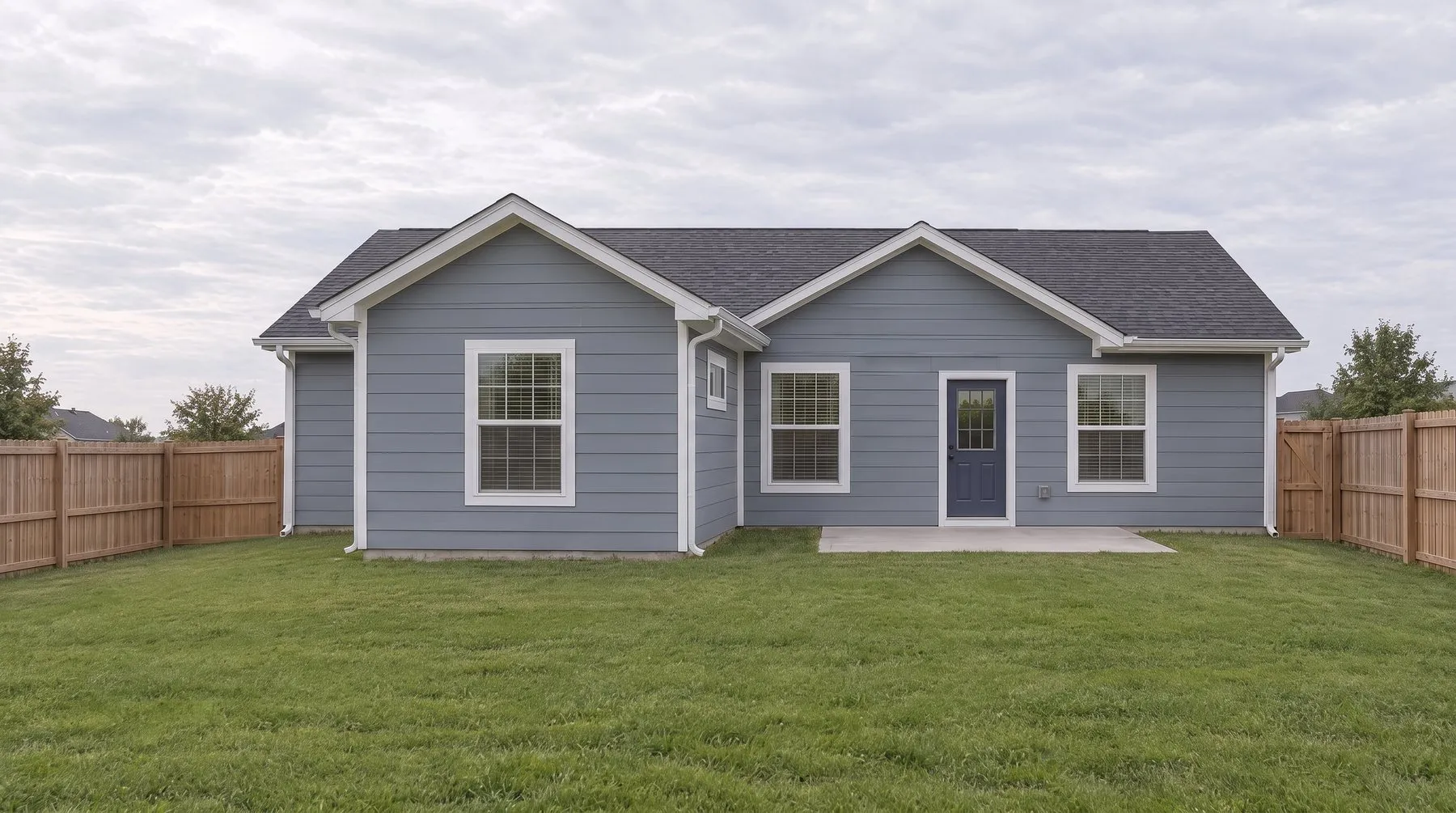
- The report
Lists two bathrooms and the original living area.
- The record
A permit and final inspection show a rear addition with a third bathroom, completed before the effective date.
- The response
The lender sends the documents and a specific question. The appraiser corrects the description and explains how the market treats the change.
Report corrected, value unchanged
If comparable sales show buyers here did not pay more for the added room and bath, the value can stay where it was, with the reasons stated in the revised report.
Report corrected, value revised
If the sales show buyers pay for it, the appraiser revises the value and explains the adjustment.
Both outcomes are shown at the same size on purpose. Either can be correct, and a corrected report is an improvement in both.
Protecting both sides
An ROV process has to protect the borrower who asks and the appraiser who answers
A low value costs people money, and when the value holds up after review, the pressure can move to the person who reported it. Every party to a purchase except one can gain or lose depending on the number.
- Depends on the outcomeBorrower
More cash at closing, or a lost purchase
- Depends on the outcomeSeller
A renegotiated price or a failed sale
- Depends on the outcomeReal estate agents
A commission paid from a sale that may not close
- Depends on the outcomeLoan officer and lender
A loan that may not fund
- Cannot depend on the outcomeAppraiser
Pay may not depend on the value or on the loan closing17
The rules already name the pressure. Regulation Z’s examples of prohibited coercion include “withholding or threatening to withhold timely payment” because a valuation came in below a certain amount, “implying to a person that prepares valuations that current or future retention of the person depends on the amount” of the value, “excluding a person that prepares a valuation from consideration for future engagement” over a value below a threshold, and “conditioning the compensation paid to a person that prepares a valuation on consummation of the covered transaction.”17 The same section lets a lender ask an appraiser to consider additional information, explain a conclusion or correct errors, which is the ground every ROV stands on.17 The 2024 interagency guidance draws the same line,12 and Fannie Mae requires lender ROV procedures to align with the Appraiser Independence Requirements.5
Reporting runs one way. Paragraph (g) of the same section requires anyone who reasonably believes an appraiser materially failed to comply with USPAP or professional rules to refer the matter to the state agency. It sets no parallel referral duty for pressure applied to an appraiser.17
Appraisers report heavy scrutiny. In NAR’s 2022 survey of more than 600 appraisers, respondents reacting to lawsuits over alleged bias wrote: “We are being called racists left and right in an attempt to destroy the appraiser,” and “We are the most policed player in the mortgage transaction.”19 Retaliation after a low value can take the forms the rules above describe, such as slower payment, fewer assignments or removal from a lender or management company panel, and it can arrive as a complaint to the state board. Those are hard to see one file at a time. A written ROV channel with standard fields can make them visible.
Asks about evidence
- Please evaluate the attached closed sale, identify its relevant differences from the subject, and explain whether it changes the analysis.
- The report shows two bathrooms. The attached permit and final inspection show a third, completed before the effective date. Please confirm the count.
- The report describes the lot as interior. The attached plat shows a corner lot. Please confirm the site description.
Asks for a result
- We need the value at $400,000 for the loan to close.
- Can you find sales that support the contract price?
- Other appraisers have come in higher on this street.
Example wording written for this article. The left column ties a question to evidence; the right names a value or an outcome.
What an ROV rule could do for the appraiser
- 01
One channel
Requests reach the appraiser only through the lender’s ROV process, in writing, never as calls from the borrower, an agent or the loan officer.
- 02
Evidence, not a number
Every request names a fact or a sale and asks a question. A request that names a target value goes back to the sender.
- 03
Unchanged counts as resolved
An ROV that ends with a supported, unchanged value is recorded as resolved, never as a defect on a scorecard or panel review.
- 04
Separate tracks
Value disagreements stay apart from bias or misconduct complaints, which get their own reviewer and, where material, a referral to the state agency.
- 05
Screening outside production
The person who screens a request does not report to loan production or get paid on loan volume.
- 06
Track what follows
Record each appraiser’s assignments, fees and panel status after an ROV, beside the borrower data the letter asks for, so retaliation would show in the numbers.
ValuSignal’s proposal, not a requirement of any program.
The borrower’s side keeps its protections. The same written channel gives a borrower a record of what was asked and how it was answered. A concern about bias or conduct gets its own review instead of being folded into a value dispute, and a deficient report still goes to the state agency.
Second appraisals. FHA allows one only when the first is materially deficient and the appraiser cannot or will not resolve it, and the lender documents the deficiency.10 Fannie Mae does not grant one automatically after an ROV that leaves the value unchanged.7 A lender that orders further review should record the unresolved concern, what additional work it asked for, and why it relied on the final valuation, so the original issue and the final decision stay traceable.
Accountability. An ROV outcome can feed quality control, but it needs context. A repeated, unaddressed factual error deserves a look. An unchanged value with a clear explanation can show sound judgment. Allegation, technical finding, referral, investigation and disciplinary result carry different weight and belong in separate fields, compared by issue type before anyone draws a conclusion about an appraiser.
Common forms and fields
A shared intake could save handling time; we found no published estimate of how much
The letter asks for common borrower forms and standard tracking fields.1 A lender that delivers to Fannie Mae and Freddie Mac and also makes FHA and VA loans now works under the different rules in chapter 04. We found no public figures from FHFA, the CFPB or the Enterprises on ROV volume, success rates or handling time.
The model below uses assumptions you can change. It counts labor capacity, meaning hours freed, which a lender may redeploy without cutting payroll. Software, training and appraisal costs are excluded, and none of it scales to a national figure.
Handling time a shared intake might remove
Hypothetical assumptions, not measured industry data.
- Requests a year
- 300
- Hours removed
- 150
- Illustrative labor capacity a year
- $9,000
annual loans × ROV share × minutes removed ÷ 60 × hourly cost
| Assumed ROV share | Requests | Hours removed | Labor capacity |
|---|---|---|---|
| 1% | 100 | 50 | $3,000 |
| 3% | 300 | 150 | $9,000 |
| 5% | 500 | 250 | $15,000 |
Two ways to get there. A lender can build one intake and communication layer now, with each program’s rules behind it, inside current requirements. A single harmonized set of agency procedures, which is what the letter asks for, depends on the agencies acting together. Either way, consistent measurement would let a lender, and eventually the agencies, see whether the process works.
| Measure | Definition | Read with care |
|---|---|---|
| Request incidence | Borrower ROVs divided by eligible appraisals | Report the program and the denominator |
| Intake completion | Complete requests divided by requests received | A high rejection rate can reflect a hard form |
| Acknowledgment time | Receipt to first acknowledgment | Keep separate from decision time |
| Resolution time | Receipt to communicated determination | State business-day and pause conventions |
| Report correction rate | Reports corrected divided by resolved ROVs | A correction can leave value unchanged |
| Value-change rate | Value changes divided by resolved ROVs | Direction and size need context |
| Escalation rate | Further review referrals divided by resolved requests | Record the reason |
| Appraiser outcomes after an ROV | Assignments, fees and panel status in the months after a resolved ROV | Compare with appraisers who had no ROV |
For collateral teams
Until the agencies act, the program rules in chapter 04 are the ones that apply
Any new requirement should be read against its own program. An FHFA directive would reach Fannie Mae and Freddie Mac loans; an FHA mortgagee letter or Handbook 4000.1 update would reach FHA loans; a VA circular or handbook change would reach VA loans; and a USDA notice or handbook update would reach its guaranteed loans.
Implementing guidance from FHFA, FHA, VA and USDA under Section 704(a). The statute sets no date.
Whether the agencies adopt the Fannie Mae and Freddie Mac framework, add to it together, or write separate rules.
Whether any agency rule addresses what happens to an appraiser after an ROV: scorecards, panel status, and a way to report retaliation.
Whether the Section 704 requirement reaches Section 184 loans. The statute’s loan definition includes them, but none of the four officials it names runs the program.
GAO report on a public appraisal database, due 240 days after enactment under Section 704(b). Hearings in both banking committees follow it.
Six points to check in any agency rule
- 01
Borrower instructions
One set of plain-language instructions, delivered with the appraisal, that says what evidence helps and what happens next.
- 02
Ownership
A named owner for each status: received, more information needed, with the appraiser, under further review, resolved.
- 03
Evidence submission
A way to attach permits, plans and sales without knowing appraisal terminology, with the limit of five sales stated.
- 04
Appraiser protection
A rule that a supported, unchanged value cannot be held against the appraiser, and a way to report pressure or retaliation that follows an ROV.
- 05
Coordinated updates
Changes adopted by every agency at once, as the letter asks, so a lender does not run separate versions.
- 06
Records
Separate fields for allegation, technical finding, referral and outcome, so a value change is never read as proof of misconduct.
Running an ROV process?
Handling borrower ROVs across programs?Tell us which forms you use, how long requests take, and what the agencies should fix first.→Statuses are as of October 12, 2026. Recommendations are attributed to the letter; requirements are attributed to their program. Photographs and clips in this article are AI-generated illustrations of fictional houses. This article is general information, not appraisal, legal or compliance advice.
Sources
21 documents, accessed Oct. 12, 2026
- American Bankers Association and others, joint trades letter to FHFA, HUD, USDA and VA on Appraisal Modernization Act implementationOct. 7, 2026
- ABA Banking Journal, ABA, associations urge housing agencies to seek uniformity in appraisal modernizationOct. 7, 2026
- America’s Credit Unions, recommendations to implement appraisal updatesOct. 8, 2026
- Public Law 119-101, 21st Century ROAD to Housing Act, Section 704, 140 Stat. 955 to 958July 11, 2026
- Fannie Mae Selling Guide B4-1.3-12, Appraisal Quality MattersCurrent section
- Fannie Mae, Appraiser Update: reconsideration of value changesSeptember 2025
- Fannie Mae, Reconsideration of Value FAQsSept. 3, 2025
- Freddie Mac, Single-Family Seller/Servicer Guide bulletins July to September 2025, Bulletin 2025-12Sept. 3, 2025
- Freddie Mac Seller/Servicer Guide Section 5604.4Live section, not retrieved
- HUD, Mortgagee Letter 2025-08, rescission of appraisal and ROV policy changesMarch 19, 2025
- VA Loan Guaranty Service, VA appraisal policies (Tidewater and reconsideration of value)2021
- OCC Bulletin 2024-18, Interagency Guidance on Reconsiderations of Value of Residential Real Estate ValuationsJuly 18, 2024
- Executive Order 14393, Promoting Access to Mortgage Credit, Federal Register Doc. 2026-05384March 13, 2026
- HUD, Mortgagee Letter 2026-10, appraisal field review requirementsJune 23, 2026
- FHFA, Exploring Appraisal Bias Using UAD Aggregate Statistics (Jonathan Liles)Nov. 2, 2022
- Eren, Benítez-Silva, Heiland and Jiménez-Martín, How Well Do Individuals Predict the Selling Prices of Their Homes? Levy Economics Institute Working Paper 571Aug. 11, 2009
- Regulation Z, 12 CFR 1026.42, Valuation independence (CFPB)Current regulation
- Fannie Mae, Appraising the AppraisalFeb. 16, 2022
- NAR, Why Appraisers Say ‘We Have Targets on Our Backs’ (2022 Appraisal Survey)Oct. 12, 2022
- VA Circular 26-17-18, Procedures for Improving Communication with Fee Appraisers (Tidewater), rescinded July 1, 2020July 19, 2017
- HUD, Section 184 Program Policy Handbook, Chapter II, Section E, AppraisalCurrent chapter
The Signal / Monthly briefing
Follow appraisal policy as it moves from statute to rule, with sources.
One sourced briefing in the first week of each month.
Unsubscribe in one click. We don't sell your email or share it with sponsors. Privacy Policy