The Signal / Analysis / October 23, 2026
Appraisers’ case for local judgment, and what federal data say about it
Between 2013 and 2023, home prices fell over a full year in 21 of the 97 metro areas we tracked, 23 times in all and 16 of them in 2013. Fannie Mae and Freddie Mac appraisals done in those metro areas during those years numbered about 397,000, and 3.6% of them marked values as declining. A Minnesota review found a highest and best use analysis that met appraisal standards in 3 of 135 reports. This analysis argues that the profession’s best answer to President Trump’s October 22 housing order, which promotes automated valuation, is to modernize: adopt the data and AI tools its clients already use, show its market and highest and best use analysis in every report, and back its results with enforcement that lenders can see.
Two positions
One side says data and models manage valuation risk; the other says a home needs a local appraiser
President Trump’s October 22 housing order makes it federal policy to “embrace innovative risk and value assessment technologies that incorporate Super Intelligence,” the administration’s term for artificial intelligence. It also sets up a test in which an automated valuation model, or AVM, can establish the equity needed to cancel mortgage insurance, and it tells the Federal Housing Finance Agency (FHFA) to consider dropping appraisals on refinances that lower a borrower’s payment. Our news story on the order covers each section.
The order is the latest of several steps by the White House, FHFA, Fannie Mae and lenders toward automated valuation. Over the same years, appraisers have given hybrid appraisals low marks, ranked waivers and AVMs last among ways to speed up closings, and written cautious guidance on AI. Both records are below.
Lenders, FHFA, Fannie Mae, Freddie Mac and the White House
Models, data and remote capture can manage valuation risk on a loan better, faster and for less than buying a report from a local appraiser.
- “Super Intelligence” and AI
- AVMs
- Desktop and hybrid appraisals
- Inspections by data collectors
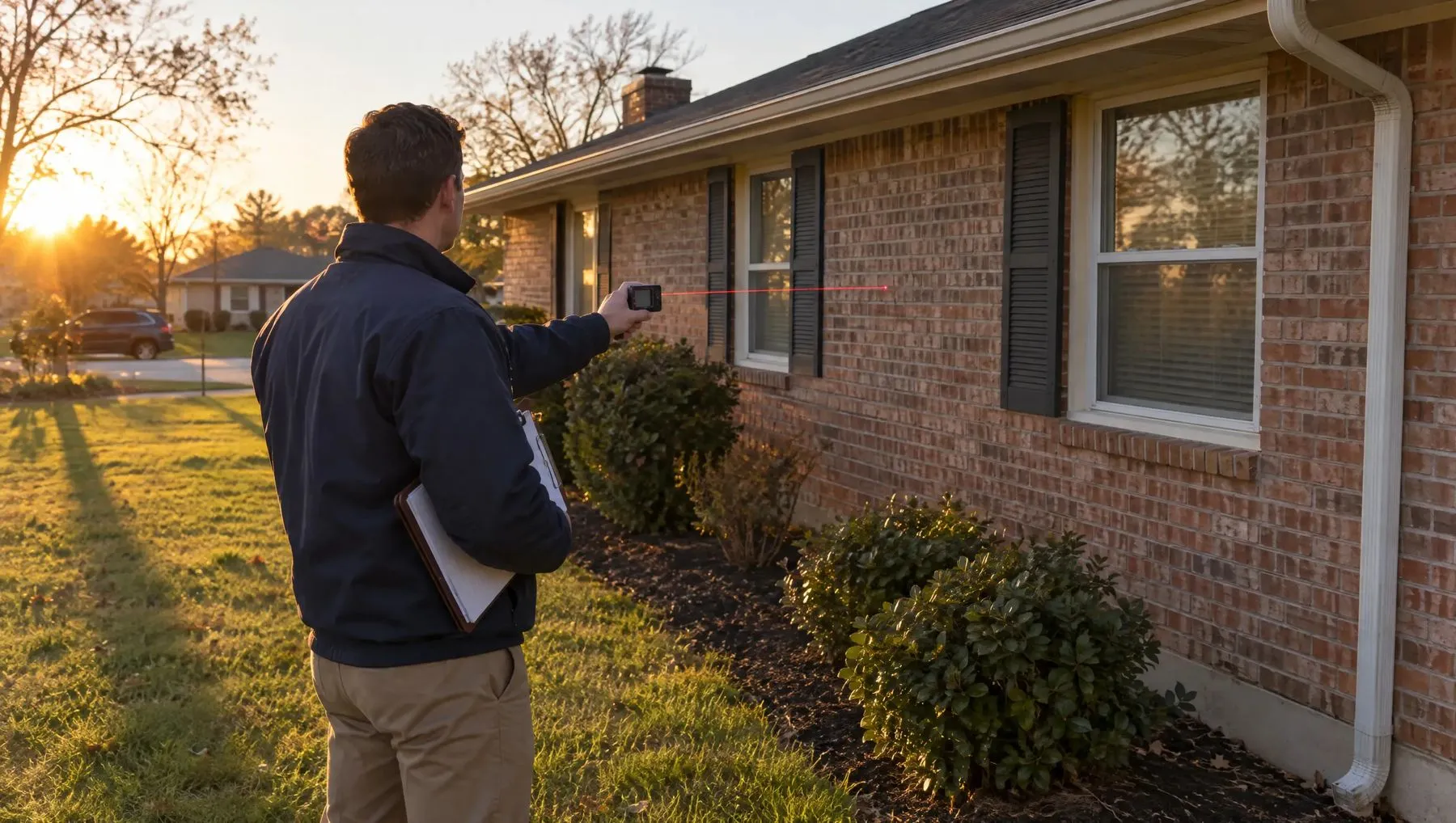
- Phone and LiDAR measurement
- National property data sets
- Computer vision
What supports it
- Freddie Mac’s ACE waiver loans had about 8.9% lower 90-day default rates than comparable appraised loans; 87% were refinances. Freddie Mac ACE research note, May 2024 ↗
- A property data report costs about $200, against about $600 for an appraisal, and ACE plus a report closes about 12 days faster on purchases. Freddie Mac, Jan. 16, 2026 ↗
- Fannie Mae ran image recognition over more than a million appraisals to check condition and quality ratings against listing photos; its reviewers found the model “98% accurate.” Fannie Mae Appraiser Update, June 2023 ↗
- Fannie adopted the ANSI measurement standard partly because of “new technologies, such as phone apps, which can measure houses, generate floor plans, and calculate GLA.” Fannie Mae ANSI fact sheet, March 2022 ↗
- MBA says “Modern automated valuation and underwriting technologies can reduce the manual processing costs embedded in every loan file without compromising sound risk management.” MBA roadmap, Oct. 14, 2026 ↗
Where it is weak
- Six federal regulators now require AVM quality controls “designed to ensure a high level of confidence in the estimates produced by AVMs,” effective Oct. 1, 2025. Interagency AVM rule, via FHFA ↗
- FHFA researchers wrote that AVM estimates in rural areas “may face additional scrutiny due to lack of data.” FHFA Working Paper 18-03, 2019 ↗
- The Appraisal Institute says Freddie Mac “has not released the full research study” behind its hybrid appraisal claims. Appraisal Institute, March 2025 ↗
Appraisers and their trade groups
A credible value for a loan needs an appraiser who knows the local market and inspects the home, and that judgment is the product.
- Geographic competency
- Personal inspection
- Local data and MLS access
- Judgment on market nuance
- License and USPAP accountability
What supports it
- Fannie Mae requires appraisers to “have the requisite knowledge about, and access to, all necessary and appropriate local data sources for the subject property’s geographic area.” Fannie Mae Selling Guide B4-1.1-03 ↗
- “Appraisers can provide a more reliable opinion of value when they personally inspect a property.” Appraisal Institute, March 2025 ↗
- Third-party data collectors work with “no uniform standards for training, licensing, or ethical responsibilities like those required of appraisers.” Appraisal Institute, March 2025 ↗
- Fannie Mae and Freddie Mac’s modernization case risks “overlooking the critical role of an appraiser’s expertise, judgment, and ability to assess market nuances.” Appraisal Institute on FHFA’s summit, Feb. 2025 ↗
Where it is weak
- In 2021, when FHFA’s index rose 18%, 52.5% of appraisals still marked neighborhood values stable; in Austin in 2023, prices fell 6.3% and 81% marked stable. FHFA UAD Aggregate Statistics and HPI ↗
- Appraisal issues made up four of the top ten findings in Fannie Mae’s random loan reviews for July to December 2025. Fannie Mae Quality Insider, June 2026 ↗
- After Minneapolis allowed multiple-family uses in its single-family and two-family districts in 2020, Minnesota regulators found a highest and best use analysis that conformed to USPAP in 3 of 135 appraisals. Minnesota Department of Commerce, 2020 ↗
- Texas dismissed 97% of resolved appraiser complaints in fiscal 2026 through June, and fewer than 1% of license holders were disciplined. TALCB enforcement report, June 30, 2026 ↗

In Washington and the lending industry
- Fannie Mae and FHFA
Fannie Mae launches an AI “Crime Detection Unit” built with Palantir to find mortgage fraud. Pulte says the partnership could extend to Freddie Mac.
Source ↗“We’re not just limited to fraud. If there are ways to pull cost out of the system, we want to do it.”
Bill Pulte, via FedScoop - Mortgage Bankers Association
Responding to the March orders on mortgage credit and home construction, MBA backs appraisal reform.
Source ↗“MBA strongly supports efforts to reform appraisals, ease construction regulations, and encourage homebuilding.”
Bob Broeksmit, MBA - MBA, ABA, ICBA and five other groups
Letter to Pulte asks for more use of AVMs, desktop and hybrid appraisals and AI valuation tools, and fewer appraisal requirements on low-risk loans.
Source ↗“presents an opportunity for appraisal modernization”
The groups, on the March order, via The Title Report - White House
Executive Order 14434 tells federal agencies to say “Super Intelligence” in place of “artificial intelligence,” using the existing statutory definition of AI. It does not mention housing or lending.
Source ↗ - Mortgage Bankers Association
MBA’s “Affordability in Action” roadmap calls for a streamlined GSE refinance without the appraisal and income verification now required.
Source ↗“Expand Responsible Use of Automated Valuation Models and AI-assisted Underwriting”
MBA roadmap heading - Fannie Mae
Fannie’s information security supplement adopts “Super Intelligence (SI)” in a new Section 4 that governs how lenders use AI and, through a third-party clause, how their vendors do. Mandatory January 18, 2027.
Source ↗ - The president, then MBA
The order makes “Super Intelligence” in risk and value assessment federal policy, sets up an AVM-based mortgage insurance pilot and tells FHFA to consider appraisal waivers on payment-lowering refinances. MBA welcomes it the same day.
Source ↗“Our lender members welcome these latest initiatives to reduce the costs of refinancing and expand innovative manufactured housing options for potential homebuyers.”
Bob Broeksmit, MBA

In the appraisal profession
- AMC paper submitted to FHFA
Describes “a low (single digit) adoption rate” of mobile inspection platforms introduced during COVID-19.
An interested party’s estimate, not a surveySource ↗“The only eyes this appraiser trusts are his own.”
An appraiser, as quoted in the paper - Working RE survey
75% of appraisers surveyed would refuse analyst-only work, mainly over liability for another person’s data and fees.
Self-selected sample run by an E&O insurerSource ↗ - Appraisal Institute
Asks FHFA Director Pulte to reconsider expanded appraisal waiver and hybrid eligibility.
Source ↗ - NAR survey, 1,329 appraisers
Comfort with traditional appraisals 4.56 out of 5, with hybrids 2.07; 35% had done a hybrid. 37% named technology fees a top business challenge, up from 26% in 2023.
2.7% response rateSource ↗ - American Society of Appraisers
AI guidance says appraisers must verify AI output and “diligently proofread all material generated by AI,” with disclosure left to their judgment.
Source ↗“Artificial Intelligence (AI) is unavoidable in today’s world.”
ASA - Appraisal Standards Board
Adopts USPAP Advisory Opinion 41 on using technology and AI. It adds no new requirements and keeps the appraiser accountable for the tool’s output.
Source ↗
Images: AI-generated illustrations.
The National Association of Realtors’ October 2025 survey of appraisers gives the clearest current numbers. Appraisers rated their comfort with traditional appraisals 4.56 out of 5 and with hybrids 2.07. Asked to rank ways to cut transaction delays, they put AVMs, waivers and data collectors last of ten options.
Traditional
Hybrid
The survey does not ask about AI, and we found no current survey that measures how many appraisers use mobile inspection apps, laser measures or 3D scanning. Trade group statements on AI accept the tools with conditions: the American Society of Appraisers calls AI “unavoidable” and tells appraisers to verify and proofread its output, and Advisory Opinion 41 under the Uniform Standards of Professional Appraisal Practice keeps the appraiser accountable for what a tool produces.
The lending side has been slow in places too. Desktop appraisals stayed under 1% of Fannie Mae and Freddie Mac volume, and one large lender kept ordering full appraisals because its systems could not order a property data collection. The two main reasons appraisers gave in 2020 for refusing split assignments, liability and fees, are set by lenders, appraisal management companies and insurers.
Fannie Mae and Freddie Mac already route part of their volume around appraisers. About half their loans had an appraisal waiver in March 2021, and 19% did in June 2026. Freddie Mac’s research found its waiver loans had about 8.9% lower 90-day default rates than comparable appraised loans, though most were refinances. Where an appraisal is required, Fannie Mae’s June 2026 Quality Insider says “Appraisal-related issues made up four of the top ten findings.”
- About 50%Mar. 2021
- 16%June 2025
- 26%Feb. 2026
- 28%Mar. 2026
- 19%June 2026
Trust in the product also depends on how poor work is policed. States reported 755 disciplinary actions against appraisers in 2025, about 0.8 per 100 credentials. When FHFA found appraisals that openly referred to race or other factors fair lending law prohibits, it filed no complaints with state appraiser boards; it has agreed with its inspector general that it should. The evidence board below sorts the figures for both sides by type.
- Substitutes5.34MFannie Mae loans that used an appraisal alternative, January 2018 to June 2026; Fannie puts the avoided fees near $3 billion.Appraisal Institute on Fannie Mae’s figure, Aug. 2026 ↗
- Substitutes8.9%Lower 90-day default rate on Freddie Mac ACE loans than on comparable appraised loans, with controls. 87% of ACE loans were refinances.Freddie Mac ACE research note, May 2024 ↗
- Substitutes$200 vs $600Property data report against an appraisal. ACE plus a property data report closes about 12 days faster on purchases.Freddie Mac, property data collection overview, Jan. 2026 ↗
- Quality4 of 10Top findings in Fannie Mae’s random loan reviews that were appraisal issues, July to December 2025: comparable adjustments, comparable selection and condition and quality ratings.Fannie Mae Quality Insider, June 2026 ↗
- Technology4.56 vs 2.07Appraisers’ comfort with traditional against hybrid appraisals on a 5-point scale; 35% had done a hybrid.NAR 2025 Appraisal Issues Survey, 1,382 appraisers answering ↗
- Technology75%Of appraisers surveyed would refuse analyst-only work; liability for another person’s data (78.7%) and fees (70.2%) were the top reasons. Self-selected sample.Working RE bifurcation survey, June 2020 ↗
- Technology<1%Of Fannie Mae and Freddie Mac loans used desktop appraisals, and FHFA did not document its reviews of desktop reports.FHFA OIG, AUD-2024-001, Oct. 2023 ↗
- Enforcement755Disciplinary actions states reported against appraisers in 2025, about 0.8 per 100 credentials, down from a 10-year average of 854 a year.ASC 2025 Annual Report ↗
- Enforcement10 of 37State appraiser programs the ASC reviewed in 2025 that were rated Needs Improvement or Not Satisfactory.ASC 2025 Annual Report ↗
- Enforcement97%Of the 150 Texas complaints resolved in fiscal 2026 through June were dismissed; fewer than 1% of Texas license holders received discipline.TALCB enforcement report, June 30, 2026 ↗
- Enforcement315Referrals from the national appraisal complaint hotline in 2025. The ASC does not collect what happens to them, and states do not report complaint data to it.ASC 2025 Annual Report ↗
- Enforcement0Complaints FHFA filed with state appraiser boards after finding appraisals that openly referred to race or other prohibited factors; it had no policy on doing so.FHFA OIG, EVL-2023-001, Dec. 2022 ↗
Sources: Executive Order 14434 ↗ FedScoop on Fannie Mae and Palantir ↗ NAR 2025 Appraisal Issues Survey ↗ ASA on AI ↗ AMC paper to FHFA ↗ ASC 2025 Annual Report ↗ FHFA OIG EVL-2023-001 ↗ FHFA OIG AUD-2024-001 ↗ Working RE on property data collections ↗ Appraisal Institute, Appraisal Now ↗. Our October feature on Fannie Mae and Freddie Mac covers Fannie’s “Super Intelligence” supplement, and our EO 14393 letters feature covers what appraiser groups wrote to regulators after the March order.
Public trust
USPAP opens with public trust, and in our reading the people managing collateral risk are part of that public
AnalysisFrom here on, this article argues from the evidence. The facts are sourced; the conclusions are ValuSignal’s.
Lenders, Fannie Mae, Freddie Mac and their regulators are adopting AI, AVMs and new ways of measuring markets and value to manage collateral risk. Appraisers argue that their local judgment is what those tools cannot replace. We test that argument against the profession’s own standard, the Uniform Standards of Professional Appraisal Practice (USPAP), which opens with this:
USPAP · Preamble · First paragraph
The purpose of the Uniform Standards of Professional Appraisal Practice (USPAP) is to promote and maintain a high level of public trust in appraisal practice by establishing requirements for appraisers. It is essential that appraisers develop and communicate their analyses, opinions, and conclusions to intended users of their services in a manner that is meaningful and not misleading.
“The appraiser’s responsibility is to protect the overall public trust and it is the importance of the role of the appraiser that places ethical obligations on those who serve in this capacity.”Preamble, second paragraph
“An appraiser must promote and preserve the public trust inherent in appraisal practice by observing the highest standards of professional ethics.”Ethics Rule
Who counts as the public
USPAP does not define “public trust,” and appraisers have argued for years about how far it reaches. The Preamble does say whom the standards serve: the Appraisal Standards Board issues USPAP “for both appraisers and users of appraisal services,” and appraisers must communicate clearly to “intended users.” On a loan sold to Fannie Mae or Freddie Mac, the lender is the client and intended user, and its credit and collateral risk staff are the people who read the report. Fannie Mae’s Selling Guide adds that in certification 23 of the report, the appraiser accepts that other parties, including “mortgage insurers, government-sponsored enterprises, and other secondary market participants,” may rely on the report even though they are not intended users.
A collateral risk analyst reading the report has to decide whether its market analysis and highest and best use analysis are good enough to judge the loan by. The evidence below suggests they often are not, and lenders have responded by building their own tools. That leaves the profession a gap to close: judgment is appraisers’ strongest argument, yet the parts of the report that carry that judgment are often incomplete or out of step with the market.
Demand for technology, and resistance to it
The push for automated valuation comes from the institutions that order and buy appraisals. On May 29, 2026, eight trade groups, including the Mortgage Bankers Association, the American Bankers Association and the Independent Community Bankers of America, wrote to FHFA Director Bill Pulte that the president’s March order on mortgage credit “presents an opportunity for appraisal modernization.” They asked for more use of AVMs, desktop and hybrid appraisals and AI valuation tools, and fewer appraisal requirements on low-risk loans. In its October roadmap, the Mortgage Bankers Association also called to “Expand Responsible Use of Automated Valuation Models and AI-assisted Underwriting” and proposed a Fannie Mae and Freddie Mac refinance with no appraisal. The October 22 order took up the refinance idea as something FHFA must consider.
Inside the profession, the debate is still over whether remote and app-based methods are acceptable at all. In the Realtors’ 2022 survey, 63% of appraisers said they were “very uncomfortable” with desktop appraisals and other remote methods, and the most specific estimate of how many appraisers use mobile inspection apps is in the single digits. When lenders want faster and cheaper options that appraisers do not offer, the work goes to AVMs and data collectors. Fannie Mae counts 5.34 million loans with appraisal alternatives since 2018.
In a 2020 survey, 75% of appraisers said they would refuse work that split the inspection from the analysis, and the Appraisal Institute asked FHFA in 2025 to reconsider expanded waiver and hybrid eligibility. The objections have real grounds, chiefly liability for another person’s data, fees and control of the inspection. Each of those can be handled in contracts and errors and omissions insurance. If appraisers do not help shape the products, lenders and appraisal management companies will set the terms, or the loans will go to AVMs.
The redesigned appraisal report, known as UAD 3.6 and required for new Fannie Mae and Freddie Mac appraisals from November 2, 2026, asks for more structure: it replaces many checkboxes and free-text boxes with structured fields, and its market section asks for counts of active listings, pending sales and closed sales. Our UAD 3.6 series covers the change field by field.
Sources: USPAP 2020-2021, Preamble ↗ Fannie Mae B4-1.2-01 on certification 23 ↗ The Title Report on the May 29, 2026 letter ↗ ABA Banking Journal, Oct. 7, 2026 ↗ NAR 2022 appraisal survey ↗ Working RE bifurcation survey, June 2020 ↗
Market trends
Most appraisals called markets stable as prices moved, and few called a decline
Every appraisal for a Fannie Mae or Freddie Mac loan has a checkbox for whether one-unit home values in the neighborhood are increasing, stable or declining. Fannie’s Selling Guide says the conclusion must include “factual data from information sources such as, but not limited to, market data, home price indices” and that the trend “must reflect the overall movement of the market.” FHFA publishes how often each box is checked, and its own House Price Index shows what prices did.
From 2013 through 2020, the index rose between 4.3% and 6.3% a year nationally, and appraisals marked values stable 78.7% to 84.5% of the time. In 2021, when the index rose 18%, 52.5% of appraisals still marked values stable.
The checkbox describes the neighborhood around the home being appraised, and a national or metro index can rise while some neighborhoods stay flat. These comparisons show a pattern across millions of reports; they cannot show that any single report was wrong.
- Increasing
- Stable
- Declining
- Price index, year over year
Latest: 2024 Q3, 85.58% stable while the index was up 4.9% from a year earlier.
The national index never fell year over year in this period, so the clearer test is in metro areas. We matched FHFA’s metro appraisal files to its metro price indexes for 899 metro-years (one metro area in one year) in 97 markets. Where prices rose 15% or more in a year, the median share of appraisals marking values stable was 44.5%. Where they rose 5% to 15%, it was 76.5%.
Highlighted: Austin 2023, San Francisco 2020, San Jose 2019 and Montgomery County, Pa. 2021.
Where prices fell, stable still dominated. In Austin in the second quarter of 2023, with the index down 9.1% from a year earlier, 81.1% of appraisals marked values stable. By the third quarter, with prices down 9.2%, 89.2% said stable. San Francisco’s index fell 4.0% in 2020, and 92% of appraisals there marked values stable.
The declining box is the one a lender most needs appraisers to get right. A loan made near a price peak is secured by a house that may be worth less by the time a borrower defaults, and the trend call is where the appraisal is supposed to warn of that. In the 23 metro-years where prices fell, FHFA’s files count 396,815 Fannie Mae and Freddie Mac appraisals. Of those, 14,478, or 3.6%, marked values declining. The median metro-year was 1.8%, and in none of them did declining outnumber stable. Nationally, the declining share was under 1% in 35 of 47 quarters.
Sources: FHFA UAD Aggregate Statistics ↗ FHFA House Price Index via FRED ↗ Fannie Mae B4-1.3-03 ↗. The calculations are ValuSignal’s; the method and data are at the end of this article.
Highest and best use
A state review found a highest and best use analysis that met USPAP in 3 of 135 reports
A market value opinion rests on two analyses: the market analysis and highest and best use. USPAP Standards Rule 1-3 requires an appraiser, when necessary for credible results, to analyze land use regulations and their likely changes, supply and demand, the property’s physical adaptability and market area trends, and to “develop an opinion of highest and best use of the real estate.” Standards Rule 2-2 requires the report to state that opinion and summarize its support.
Minneapolis gave regulators a clean test. On January 1, 2020, the zoning description for the city’s R1, R1A, R2 and R2B districts, which had been single-family and two-family districts, changed to “Multiple-family District.” The Minnesota Department of Commerce had told appraisers and appraisal management companies about the change on December 20, 2019. Commerce then collected 135 appraisals of Minneapolis properties completed after January 1 and checked how they handled the new zoning.
Commerce wrote that the other 132 reports “seemed to stop their analysis at single family residential, which is what their current use was, but did not account for the multiple family uses allowed by the new Minneapolis zoning law.” Commerce allowed that some appraisers may have done the analysis and left it out, and noted that USPAP requires them to summarize it in the report. The state’s Real Estate Appraiser Advisory Board formed a work group on highest and best use in June 2020; the work group presented to the board in December 2020, and the minutes do not record its recommendations. Our highest and best use feature covers what Fannie Mae’s guide asks for.
When a report has no market analysis that tracks the data and no highest and best use analysis, the lender gets a value and a list of comparable sales, but not the reasoning that is supposed to set an appraiser’s opinion apart from an AVM’s estimate. That reasoning is the part of an appraisal a model cannot supply, so it has to be in the report.
Sources: Minnesota Commerce, Notice of New Zoning Laws ↗ Minnesota appraiser advisory board minutes, June 23, 2020 ↗ Board minutes, Dec. 10, 2020 ↗
Lenders’ own checks
Lenders, Fannie Mae, Freddie Mac and regulators now run that analysis themselves
A risk manager who cannot rely on the checkbox has to find the answer elsewhere, and Fannie Mae, Freddie Mac and their regulators have built those sources. Fannie Mae stopped requiring its Market Conditions Addendum in August 2018, saying Collateral Underwriter, its automated appraisal review tool, “now provides robust market trend information.” The redesigned report drops the checkbox. Fannie Mae and Freddie Mac deleted the Property Value Trend field from the form’s reference guide in September 2024, so the appraiser now describes the trend in commentary or an attached graph. The new market section’s counts of listings and sales let a reviewer work out months of supply directly. The Mortgage Bankers Association, which supported the waiver that gives lenders and appraisers until May 19, 2027 to adopt the new form, says it “significantly improves the appraisal product by ensuring greater consistency and better readability.”
Fannie Mae also checks appraisers’ condition and quality ratings with image recognition against listing photos; in a test on more than a million appraisals, its reviewers found the model’s flags “98% accurate.” Since October 1, 2025, a rule from six federal regulators has required mortgage originators and secondary market issuers that use AVMs to keep quality controls on them, including “random sample testing and reviews.”
In each case, a lender, Fannie Mae, Freddie Mac or a regulator is building its own check on information the appraisal is supposed to supply. Those checks cost money. Once they exist, the appraiser’s conclusion becomes one input to a model-based risk decision, which is the arrangement the order’s “Super Intelligence” policy describes. An appraisal whose market call matched the price data would carry more weight in that decision.
Sources: Fannie Mae SEL-2018-06 ↗ URAR Reference Guide, Appendix F-1 ↗ Fannie Mae Appraiser Update, June 2023 ↗ AVM quality control rule ↗
Enforcement
State enforcement rarely reaches the patterns above, and the public record suggests why
Part of what makes a profession’s work reliable is that poor work gets corrected, and the public record shows little enforcement. The Appraisal Subcommittee, the federal body that oversees state appraiser regulators, says states “must process complaints of appraiser misconduct or wrongdoing in a timely manner” and decide them within a year. In its 2025 reviews it rated 10 of 37 state programs below Good, including New Hampshire and Puerto Rico at Not Satisfactory.
Texas, whose program the subcommittee rated Excellent in 2024, shows how complaints usually end. Through June of its 2026 fiscal year, the Texas Appraiser Licensing and Certification Board resolved 150 complaints and dismissed 97% of them. Consumers filed most of the complaints, and lenders, Fannie Mae and Freddie Mac together filed 19%.
- 209FY20
- 301FY21
- 331FY22
- 274FY23
- 214FY24
- 164FY25
Complaints received by fiscal year, right. Sources of fiscal 2026 complaints: consumers 72%, Fannie Mae and Freddie Mac 11%, lenders 8%, appraisers 7%, appraisal management companies 2%. Fewer than 1% of Texas license holders received discipline.
The public record points to four reasons enforcement misses the problems above. First, the system runs on complaints about single reports, while the patterns in this article, such as a stable box in a falling market or a highest and best use analysis that stops at the current use, only show up across many reports. Minnesota’s review is the exception: a regulator pulled reports itself. What followed publicly was a notice to appraisers and an advisory board work group.
Second, the people who see the most reports file few complaints. FHFA’s inspector general found that FHFA filed no complaints with state boards after finding appraisals that openly referred to prohibited factors, and had no policy on doing so. Third, no one tracks outcomes nationally: the subcommittee’s hotline “does not collect data on the resolution of complaints,” and states do not report complaint data to it. Fourth, funding: the ROAD to Housing Act restructured registry fees so that, in the Appraisal Institute’s summary, the subcommittee would have “sufficient resources to oversee state regulatory programs.”
The people who already hold the evidence could address each one. Collateral risk staff who find a defect in a review can file it with the state board, regulators can run data calls like Minnesota’s, and states can publish what happens to complaints. Enforcement that lenders can see would also give them a reason to trust the appraisals that pass it.
Sources: ASC 2025 Annual Report ↗ TALCB on its 2024 ASC rating ↗ TALCB board meeting materials, Aug. 7, 2026 ↗ FHFA OIG EVL-2023-001 ↗ Appraisal Institute on the ROAD to Housing Act ↗
Pressure and fees
Pressure and low fees are real and older than AMCs, and USPAP still assigns the analysis to the appraiser
Appraisers explain much of this record with pressure and fees. They say lenders, appraisal management companies (AMCs), agents and borrowers push them to hit a value; that a report calling a market declining or a value short of the contract costs them the next order; and that fees have fallen so far that a full analysis does not pay. In the Realtors’ 2025 survey, 48% of appraisers named fee pressure a top business challenge, and when asked how to cut transaction delays, they ranked reducing or eliminating AMCs first. The Government Accountability Office (GAO) reported industry estimates that AMCs take “at least 30 percent” of the fee.
The pressure is older than the AMC model. By the industry estimates GAO collected, AMCs handled “less than half” of appraisal orders before the Home Valuation Code of Conduct took effect in 2009 and 60% to 80% afterward. GAO also reported that in the mid-2000s, some appraisers said “loan officers and mortgage brokers pressured them to overvalue properties to help secure mortgage approvals.”
An October Research survey of appraisers in 2007 found 90% felt pressured to “hit the number,” up from 55% in 2003, when the survey traced the pressure to mortgage brokers, lenders, real estate agents and homeowners. Studies from 1997 to 1999 found appraisers described themselves “more as price validators than as third party evaluators as a result of lender pressure.” And FHFA researchers comparing AMC and non-AMC appraisals from 2012 to 2016 found “no clear evidence of any systematic quality differences.” By these accounts the pressure came from whoever placed the order, before AMCs and since.
USPAP places the responsibility with the appraiser who signs. The appraiser is the licensed professional on the report, and USPAP does not scale its requirements to the fee or the client. Its Scope of Work Rule says “The scope of work must include the research and analyses that are necessary to develop credible assignment results.” Its Ethics Rule bars agreeing to an assignment whose compensation is contingent on “the reporting of a predetermined result” or “a direction in assignment results that favors the cause of the client,” and the appraiser certifies in each report that the assignment was not contingent on either. Standards Rule 2-1 requires every report to “clearly and accurately set forth the appraisal in a manner that will not be misleading.” Federal law also bars anyone with an interest in the transaction from coercing or pressuring an appraiser (15 U.S.C. 1639e), though we found no federal enforcement actions under it in public reporting for 2020 to 2026.
Appraisers bear the cost of pressure they do not control. Under these rules, a fee too low for credible work is a reason to decline the assignment or raise the price, and the market trend call and the highest and best use conclusion remain the appraiser’s own, whoever ordered the report and whatever it paid.
Sources: NAR 2025 survey ↗ GAO-11-653 ↗ RISMedia on the 2007 October Research survey ↗ FHFA WP 18-01 ↗ USPAP 2020-2021 ↗ 15 U.S.C. 1639e ↗
Data products and AI
The profession’s clients are moving to data and AI, and appraisers can use the same tools
On many loans, the competition is a data product with no appraiser in it. Freddie Mac’s ACE+ PDR pairs its automated collateral evaluation with a property data collector’s visit to the home. Freddie says borrowers “can save on average $400 per transaction compared to loans that use appraisal reports ($200 vs $600)” and that, as of the second quarter of 2025, those loans closed 12 days faster on purchases and 10 days faster on refinances.
Home equity lending has gone further. The Mortgage Bankers Association’s 2024 Home Equity Lending Study, which MBA told us holds its most recent figures, reported that AVMs or desktop valuations covered more than 75% of home equity loan and line of credit originations in 2023, and that AVM use alone “nearly doubled” from 22% of originations in 2020 to 43% in 2023.
The same kinds of tools are sold to appraisers. In 2023 Bradford Technologies announced that Restb.ai’s computer vision would be built into its report quality control to flag “out-of-focus images and other problematic content.” Advisory Opinion 41 sets out how an appraiser can use such tools and stay responsible for the result, and the Appraisal Institute’s 2026 conference program “treats artificial intelligence as a professional competency.” No current survey measures how many residential appraisers use these tools.
The profession’s clients are moving quickly. Fannie Mae has checked condition and quality ratings on more than a million appraisals with image recognition, and since 2018 has pointed to Collateral Underwriter for market trend data. Within four weeks this fall, Executive Order 14434 renamed AI across the executive branch (September 29), Fannie Mae wrote “Super Intelligence” into its rules for how lenders use AI (October 20 or 21), and the housing order made it federal policy for risk and value assessment (October 22). The redesigned appraisal report becomes mandatory on November 2. Over the same years, appraisers rated their comfort with hybrid appraisals 2.07 out of 5, 63% said in 2022 that they were very uncomfortable with remote methods, and the one estimate of mobile inspection adoption is in single digits. Advisory Opinion 41 gave appraisers a standard for using AI in April 2026; we found no measure of how many appraisers use AI.
In our analysis, the profession needs to catch up, and the best way to compete with data products on price and speed is to use the technology they run on. Those products are cheaper and faster because software does the data gathering, measurement and photo review. An appraiser who automates that work can charge closer to their price and spend the saved time on the analyses where an AVM is weakest. The same tools can check for the two gaps in this article before a report goes out, by comparing the market trend call with listing and sales counts and a price index, and by running a zoning lookup that flags a property whose permitted uses have changed and needs a highest and best use analysis. Advisory Opinion 41 leaves the conclusion and the signature with the appraiser. Appraisers who adopt these tools would also have standing to help shape how lenders, Fannie Mae and Freddie Mac use them, through comment letters, pilots and product design.
Sources: Freddie Mac on ACE+ PDR ↗ MBA NewsLink on home equity valuation methods, July 2024 ↗ HousingWire on Restb.ai and Bradford, Aug. 2023 ↗ Appraisal Institute 2026 conference program ↗. Our Jevons feature covers where demand for appraisal work could come from as analysis gets cheaper.
Closing the gap
What would strengthen the profession’s case
Appraisers’ case against automated valuation rests on judgment: in the Appraisal Institute’s words, “an appraiser’s expertise, judgment, and ability to assess market nuances.” In a report, that judgment shows up most clearly in the market analysis and in highest and best use. FHFA’s data show that the market trend call seldom reports a decline, and the one state review that checked found a conforming highest and best use analysis in 3 of 135 reports. Meanwhile, lenders, Fannie Mae and Freddie Mac, which appraisers say undervalue judgment, are building their own market, condition and value checks, and in Texas the complaint process dismissed 97% of the complaints it resolved. These are aggregate figures. They do not show how any one appraiser works, and the reports that did call a decline or did analyze the new Minneapolis zoning show that the work can be done.
Pressure and fees explain part of this record, and the lenders, brokers and AMCs who apply that pressure share the responsibility for it. The appraiser’s name is still the one on the report, and the data suggest that the profession’s strongest argument, its judgment, often does not show in the reports lenders read. As long as that is true, the people USPAP says appraisers serve will see the lending side’s own tools and the data products described above as the safer and cheaper way to manage collateral risk, and the order’s policy will keep moving work toward them.
In our analysis, the answer is for the profession to modernize its product and its enforcement together. A modern appraisal uses the same data capture and AI its clients use, keeps pace with a data product on turn time where the assignment allows, and shows the market and highest and best use analysis a model cannot supply. Enforcement that catches and corrects unsupported conclusions is what would let lenders rely on that analysis without rechecking it against their own models. Doing both would meet USPAP’s opening commitment to public trust and keep the appraisal’s advantage over an AVM: an accountable professional who inspects the property, knows the market and can show the analysis behind the value. That takes seven steps:
- AI in the appraiser’s own workflowAutomated data gathering, photo review and comparable search, plus checks of the trend call and zoning before delivery, so appraisers can match data products on price and turn time and spend their hours on judgment.
- Standard data captureMobile inspection, square footage measured to the ANSI standard, and photos delivered as structured data on every assignment.
- Hybrid and desktop on offerPriced and insured like other assignments, with liability for a data collector’s work settled in contracts and errors and omissions terms.
- Technology skills in qualification and educationData, AVM and AI competency in appraiser qualification criteria and continuing education, building on Advisory Opinion 41 and the Appraisal Institute’s treatment of AI as a professional competency.
- The core analyses shown in every reportTrend calls and values checked against price indexes and later loan performance, a highest and best use analysis that addresses current zoning, and the results reported back to appraisers and tracked over time.
- Enforcement that makes results reliableLenders, Fannie Mae and Freddie Mac filing complaints when their reviews find defects, regulators running data calls like Minnesota’s, complaint decisions within the one year federal policy requires, published outcomes, and action on independence violations by appraisers and by those who pressure them.
- Products where judgment matters mostWork on complex properties, property rights and use questions, where AVMs are weakest; our Jevons feature covers where that demand could come from.
We asked The Appraisal Foundation, which writes USPAP and the appraiser qualification criteria, for its view of the order and of the steps above. It sent this statement:
“The Appraisal Foundation is committed to upholding public trust across the profession. Given our congressionally-authorized role in setting standards and qualifications, we do not weigh in on federal policy making decisions. We are always here to serve as a resource for regulators, appraisers, and users of appraisal services alike, and our boards remain committed to adapting to the changing landscape of the profession to ensure that the public can always rely on the appraisals that underpin the world's greatest economy.”The Appraisal Foundation, statement to The Signal, October 28, 2026
Method and limits
How we compared appraisals with prices, and what this analysis does not show
Market trend shares come from FHFA’s Uniform Appraisal Dataset aggregate statistics, version 3.3, published in December 2024: Fannie Mae and Freddie Mac single-family appraisals, purchase and refinance combined, with suppressed cells dropped and missing answers left out of each share. Prices come from FHFA’s all-transactions House Price Index, which is not seasonally adjusted, through the St. Louis Fed’s FRED database. National quarters use the change from the same quarter a year earlier, to avoid seasonal swings, and metro years compare each fourth quarter with the fourth quarter of the year before. The match covers 47 national quarters and 899 metro-years in 97 markets.
Download the national quarters and the metro years as CSV files.
What this analysis does not show
- USPAP does not define “public trust.” Counting lenders’ collateral risk staff and secondary market participants within it is our reading of the Preamble’s “users of appraisal services” and Fannie Mae’s certification 23, which grants reliance without making those parties intended users.
- The Minneapolis review covers 135 reports in one city in 2020, collected to test a zoning change. It is not a national sample, and Commerce allowed that some analysis may have been done and not reported.
- Fannie Mae’s stated reason for dropping its Market Conditions Addendum was that Collateral Underwriter supplies market trend data. It did not say appraisers’ trend calls were unreliable; that link is our inference.
- The four reasons for weak enforcement are drawn from public records. We did not interview regulators, and Minnesota may have taken individual actions that its public notice does not describe. A low count of disciplinary actions can also reflect low misconduct; the national data cannot separate the two.
- The National Association of Realtors’ 2025 survey had a 2.7% response rate; the 2020 split-assignment survey sample was self-selected and run by an errors and omissions insurer; the single-digit mobile inspection figure is an appraisal management company’s estimate from 2020 or 2021. The 2025 survey asks about business challenges, not about pressure to hit a value.
- 87% of the waiver loans in Freddie Mac’s research were refinances, so the results say less about purchases.
- GAO’s AMC figures are industry estimates from 2011, and the 2007 pressure survey was run by a trade publisher.
- Freddie Mac’s ACE+ PDR savings and closing-time figures are its own, as of the second quarter of 2025. The Mortgage Bankers Association’s home equity figures run through 2023; MBA told us it has released no newer data.
- Using AI to check trend calls and zoning before delivery, and adding technology skills to qualification and continuing education, are our proposals. We found no study that measures whether such tools improve appraisal quality.
- We could not read The Appraisal Foundation’s own copy of the 2024 USPAP. The Preamble, Scope of Work Rule, Ethics Rule and Standards Rule 2-1 are quoted from the 2020-2021 edition; third-party copies of the 2024 edition show the same text.
Sources: FHFA UAD Aggregate Statistics ↗ FHFA House Price Index via FRED ↗
This analysis uses FHFA’s Uniform Appraisal Dataset statistics and House Price Index, the Minnesota Department of Commerce, the Appraisal Subcommittee, the Texas Appraiser Licensing and Certification Board, the National Association of Realtors’ appraisal surveys, GAO, FHFA research, Fannie Mae and Freddie Mac guides and program pages, and the Mortgage Bankers Association, checked October 22, 2026. We asked FHFA, Fannie Mae, Freddie Mac, the Mortgage Bankers Association, The Appraisal Foundation, the Appraisal Institute, the National Association of Appraisers and the Texas Appraiser Licensing and Certification Board for comment by October 28. The Appraisal Foundation and the Mortgage Bankers Association responded; the others did not respond by the deadline. The market trend comparison and the decline figures are ValuSignal’s calculations from FHFA’s published files. Images are AI-generated and show no real person, document, agency or property. This article is general information, not legal advice.
The Signal / Monthly briefing
Follow the policy changes that reach appraisal work.
One sourced briefing in the first week of each month.
Unsubscribe in one click. We don't sell your email or share it with sponsors. Privacy Policy