UAD 3.6 series Part 5 of 7
The Signal / UAD 3.6 / November 8, 2026
A new field for disaster mitigationSection 5 adds a 12-item list and a grid adjustment. It has no impact rating of its own.
Section 5 of the redesigned URAR is the first structured field for disaster mitigation: a 12-item pick list for the subject and, under SB4-1.3-04, the same features identified for comparable sales. Unlike Section 6, nothing in Section 5 gets rated Adverse, Beneficial or Neutral. Of the 12 published GSE sample scenarios, two populate the section, and each gets its own dollar adjustment in the sales comparison grid.
Key points
- Section 5 is new to the redesigned URAR. Field 5.000 lets an appraiser select one or more of 12 mitigation features. The required commentary field 5.001 is stricter than Section 6's matching field, which is only required if applicable.
- Fannie Mae policy requires comparable sales to report disaster mitigation features too. The sales comparison grid has its own adjustable row for the dollar value: fields 22.05.15, 22.05.47 and 22.05.48.
- Two GSE sample reports show the adjustment in practice: a missing feature draws a $5,000 adjustment in one file and $3,000 in another. The first file also has a separate $(15,000) hazard-zone adjustment.
- Section 6's impact rating field, 6.014, and the Site section's Hazard Zone Impact field, 4.048, both rate Adverse, Beneficial or Neutral. Section 5 has no matching field, a gap a QC reviewer can check directly.
Section 5 turns a sentence an appraiser might have typed into a field a lender, insurer or model can query. The actual dollar value of a mitigation feature still depends on an optional line in the comparison grid.
This is Part 5 of our seven-part series on the redesigned Uniform Residential Appraisal Report (URAR) under UAD 3.6. The mandate date was November 2, 2026, though a policy exception lets some sellers keep submitting UAD 2.6 through May 19, 2027; our timeline feature covers the transition window in full. Our Section 6 feature covers energy efficient and green features in full; this one covers Section 6 only where the two sections meet.
Section 5 is new to the redesigned form
Legacy Form 1004 had one line for anything like this: "Additional features (special energy efficient items, etc.)," field #218, a single blank in the Improvements grid.4 UAD 2.6's field-standardization appendix has zero references to mitigation, disaster, hazard or fortified construction.8 Section 5 is a true net-new section. Nothing in it was renamed or reorganized from the legacy form.
The optional Appraisal Institute Green and Energy Efficient Addendum, first released in 2011, covered some of what is now Section 6.13 It had no disaster-mitigation equivalent.
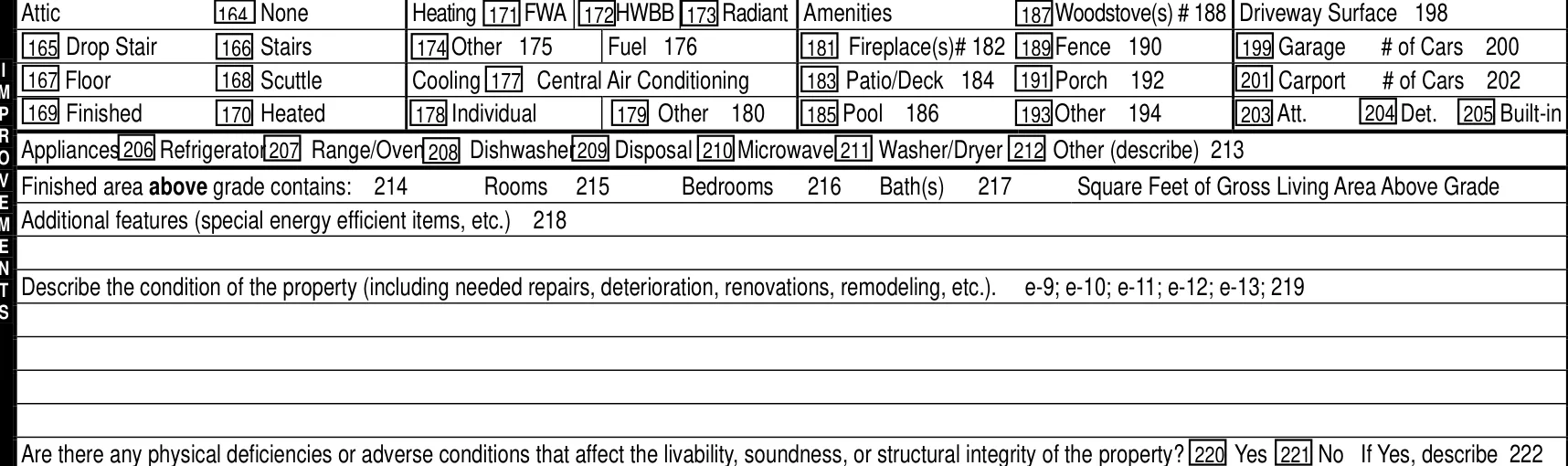
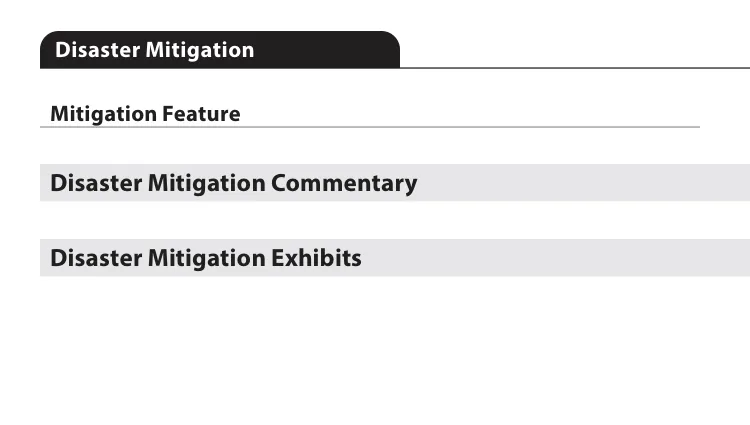
Section 5 is also dynamic. If field 5.000, Mitigation Feature, is None, the section stays hidden.1 Most of the GSE sample scenarios take that path. Of the 12 published scenarios, only two populate Section 5.
Twelve features, one or more at a time, plus a required sentence
Field 5.000 is always required and takes one or more of 12 items, plus None and Other (Describe), for 14 enumeration values total.1 Field 5.001, the commentary, is required whenever the section displays, a stricter rule than Section 6's equivalent field, which is only required "if applicable."1
A feature commonly called hurricane strapping falls under what the field calls Framing Anchoring or Bracing; F-1 gives it no separate value. The list omits an elevated-structure value and a defensible-space value; framing anchoring and water heater strapping are its only seismic-retrofit entries. Storm Shelter is the closest value to a safe room.
From the file: Condominium 2 Scenario
The printed section
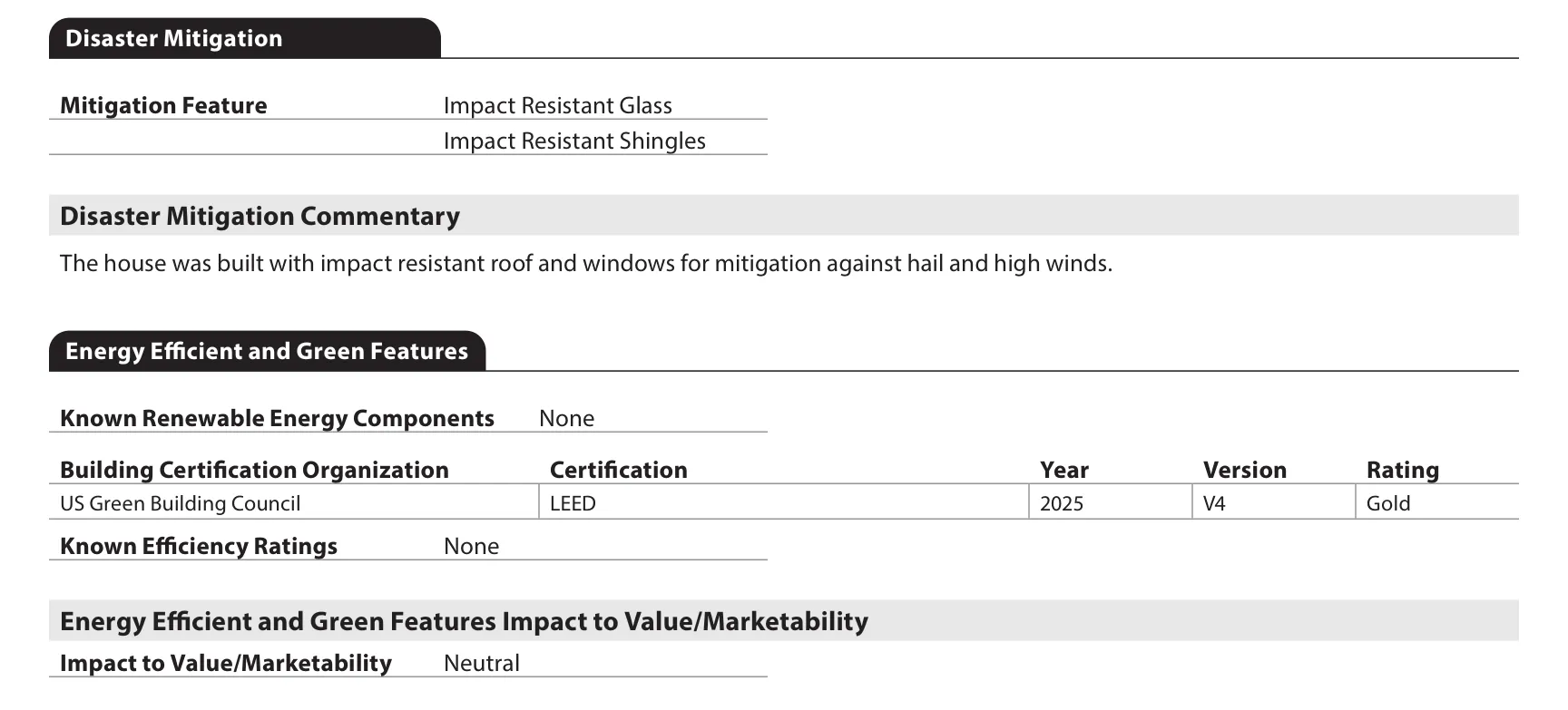
The same section as data fields
5.000Mitigation FeatureImpact Resistant Glass5.000Mitigation FeatureImpact Resistant Shingles5.001Disaster Mitigation CommentaryThe house was built with impact resistant roof and windows for mitigation against hail and high winds.
Wind and structural
Framing Anchoring or Bracing
A structural system designed to resist wind and earthquake forces in which frames are secured and are designed to not sway laterally.
Wind and structural
Impact Resistant Glass
Windows or glass designed to withstand high winds and impact from objects, making them far less likely to shatter, even from direct blows.
Wind and structural
Impact Resistant Shingles
This answer is specific to roof shingles.
Wind and structural
Storm Shutters
Permanently attached material used to protect windows or doors that can be stored when not in use (for example, hurricane shutters).
Fire
Enclosed Soffits
A soffit designed to prevent embers from making contact with the interior joints, rafters, or trusses.
Fire
Fire Resistant Decking
Decking made of materials that are designed to avoid igniting and potentially fueling a fire.
Fire
Fire Resistant Exterior Walls
Exterior wall cladding made of materials that are designed to avoid igniting and potentially fueling a fire.
Fire
Noncombustible Perimeter
Entire outer edge of the property boundary has been designed to mitigate or stop fire from spreading.
Water
Flood Vents
An opening in an enclosed structure intended to allow the free passage of water between the interior and exterior.
Multi hazard
Fortified Roof
A roof designed or modified to give increased strength and protection from severe weather.
Multi hazard
Storm Shelter
A structure designed to protect the occupants from severe weather.
Multi hazard
Water Heater Strapping
System designed to secure the water heater in place in the event of an earthquake.
None and Other (Describe) complete the 14-value enumeration. The wind, fire, water and multi-hazard groupings are our own addition, for scanning. Source: Appendix F-1 v1.4, p. 86; XSD DisasterMitigationFeatureBase.17
A check an analyst can run today: for a file whose narrative mentions a resilience feature the 12-item list omits, confirm it routes to Other (Describe) with a description in 5.001 instead of None.
Mitigation features have no impact rating
Section 6 requires an Adverse, Beneficial or Neutral impact rating whenever it displays, field 6.014. Section 5 has no field like it.1 The hazard itself does get a mandatory rating, one section over: field 4.048, Hazard Zone Impact, required whenever the subject is in a hazard zone.1
Once a building certification or efficiency rating is known, true or false gates set by fields 6.004 and 6.010, the organization, name, year, version and rating that follow are free text. LEED, NGBS, HERS and WaterSense appear as examples in the guide's prose; Section 5's 12 items, by contrast, form a closed list.1 Radon mitigation and sump pumps live under the mechanical system fields; this post covers Section 5 and Section 6 only.
Section 5, Disaster Mitigation
5.000Mitigation FeatureAlways required5.001Disaster Mitigation CommentaryRequired if the section displaysn/aNo equivalent fieldThis is the asymmetry the rest of this chapter explains.Section 6, Energy Efficient and Green Features
6.014Impact to Value / MarketabilityRequired if Known Renewable Energy Components, Building Certifications, or Efficiency Ratings is Yes6.015DescriptionIf Impact is Adverse, or if applicablen/aRated on a scaleAdverseBeneficialNeutralA question for vendors and AMCs building a UAD 3.6 QC rule set: does it check for a dollar adjustment when a hazard is rated Adverse with no mitigation feature or grid row present? Our Section 6 feature covers the certification and ownership fields in full. Our solar feature covers ownership and valuation treatment for solar specifically.
Fannie Mae requires comparables to report mitigation features too
Fannie Mae's UAD 3.6 policy, topic SB4-1.3-04, states the rule directly:
"The appraiser must identify and include in the appraisal report disaster mitigation features for the subject property and the comparable sale(s) designed to prevent or reduce impacts and risks caused by a natural disaster."
Fannie Mae, UAD 3.6 Policy, SB4-1.3-04, Property Site, Disaster Mitigation, and Highest and Best Use, effective September 2, 20262
Comp-side data gives a reviewer something to test a subject-side adjustment against. The same policy topic covers SFHA and USGS lava flow zones: the appraiser must report all hazard zones affecting the subject, "including but not limited to" FEMA flood zones and USGS lava flow zones.2
A separate topic, SB2-3-05, governs what a lender does after a disaster has already happened: whether the property's condition may have changed enough to need a new inspection or appraisal before delivery, plus documentation-aging flexibilities for a FEMA-declared disaster area. The text we reviewed makes zero mention of Section 5 data there. The two topics answer different questions: one covers built-in resilience reported at origination, the other covers whether a specific property still qualifies for delivery after an event.
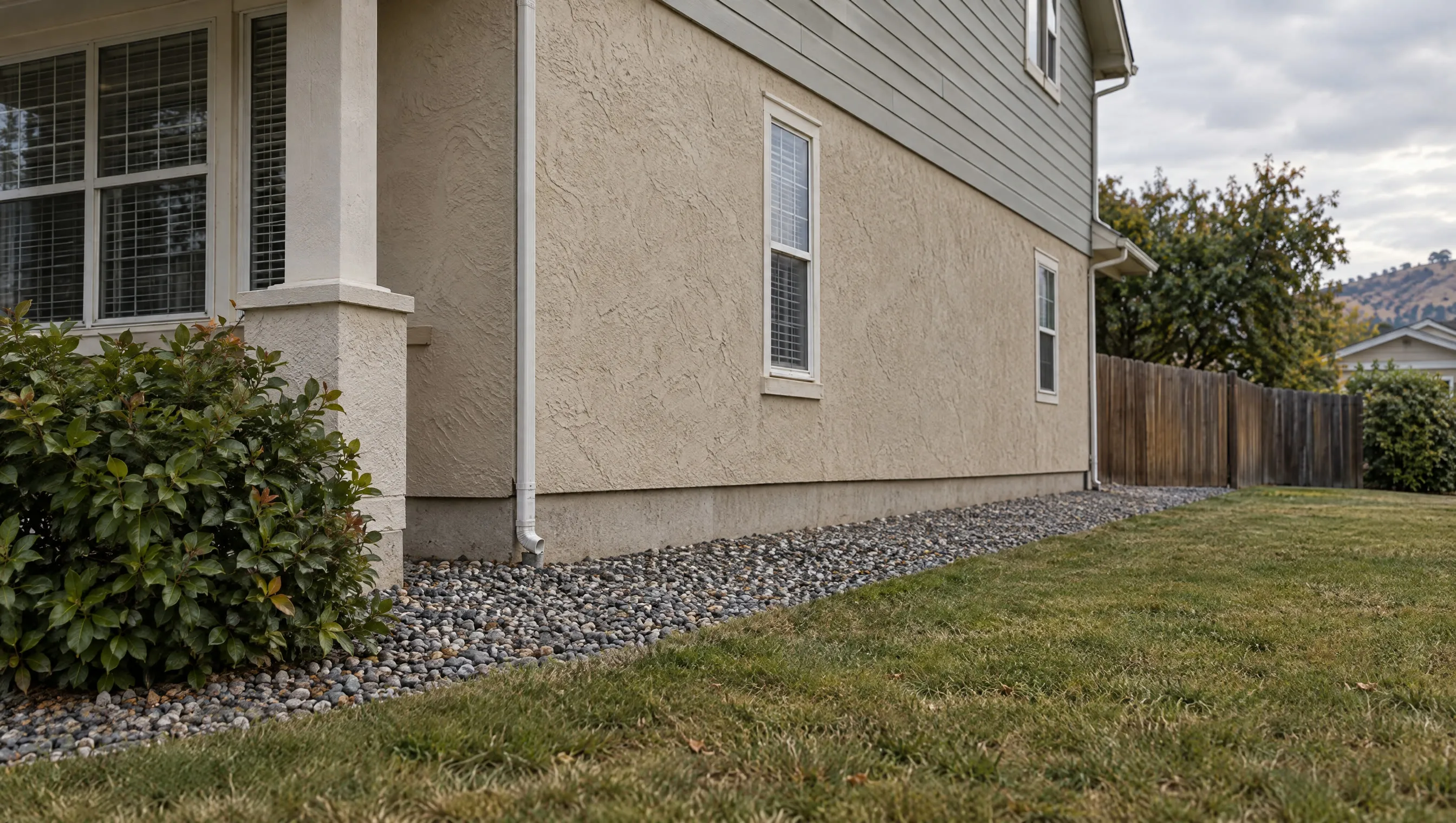
Two sample files, two dollar adjustments
Across the published GSE sample scenarios, two populate Section 5, and both have a dollar adjustment in the grid. In the 2- to 4-Unit Scenario (Hawaii), the subject has Impact Resistant Glass. Comparable 2 lacks it and draws a $5,000 adjustment; the other two comparables have the feature and draw $0.5 In the same file, Hazard Zone gets its own, separate adjustment: comparables in the safer USGS Lava Flow Zone 3 draw −$15,000 against a subject in Zone 2.5
In the Condominium 2 Scenario, the subject has both Impact Resistant Glass and Impact Resistant Shingles, confirming the pick list allows choosing more than one in practice. A comparable missing Impact Resistant Shingles draws a $3,000 adjustment.6 The field IDs: 22.05.15 and 22.05.47 record the detail, sourced from subject field 5.000, and 22.05.48 records the dollar amount.1 Section 6's equivalent in the grid is one bundled adjustment for the entire energy and green package. Section 5 is a single feature list with its own adjustment. Our sales comparison grid feature covers the rest of the grid, including Comparable Weight.
From the file: the Hawaii grid
The printed grid
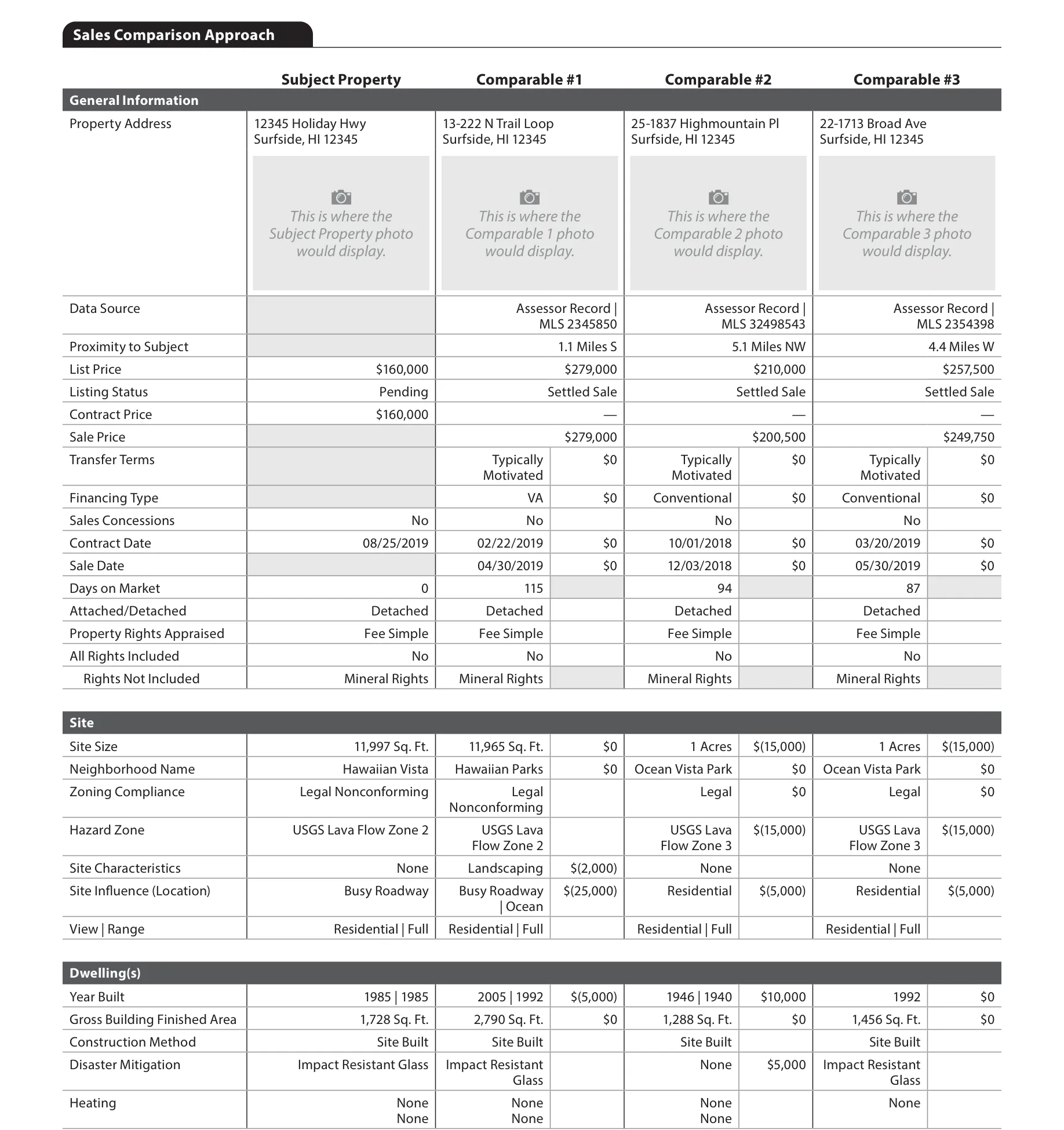
Subject and all three comparables, as fields
22.05.47Disaster Mitigation5.000 Impact Resistant GlassImpact Resistant Glass$0None$5,000Impact Resistant Glass$04.047Hazard ZoneZone 2Zone 2$0Zone 3−$15,000Zone 3−$15,000Two data points show the mechanism works. They are not enough to calibrate a dollar figure for any feature. Try extrapolating a third number from these two in the explorer below, and judge the result yourself.
Grid explorer
Flip a comparable's feature and watch the adjustment
Pick a scenario, then toggle a comparable. The dollar figures are the only two anchors Fannie Mae has published for this field. This toggle is not a market-calibrated model.
Subject: Impact Resistant Glass, USGS Lava Flow Zone 2
These are the only two populated GSE sample scenarios for this field. Any other number from this toggle is a guess.
Both scenarios in full, as reported
| Scenario | Subject | Comparable | Has the feature | Adjustment |
|---|---|---|---|---|
| 2- to 4-Unit Scenario (Hawaii) | Impact Resistant Glass | Comparable 1 | Yes | $0 |
| 2- to 4-Unit Scenario (Hawaii) | Impact Resistant Glass | Comparable 2 | No | $5,000, hazard zone −$15,000 |
| 2- to 4-Unit Scenario (Hawaii) | Impact Resistant Glass | Comparable 3 | Yes | $0, hazard zone −$15,000 |
| Condominium 2 Scenario | Impact Resistant Glass, Impact Resistant Shingles | Comparable 1 | Yes | $0 |
| Condominium 2 Scenario | Impact Resistant Glass, Impact Resistant Shingles | Comparable 2 | No | $3,000 |
| Condominium 2 Scenario | Impact Resistant Glass, Impact Resistant Shingles | Comparable 3 | Yes | $0 |
Sources: F-1 v1.4 p. 244;1 2- to 4-Unit Sample Scenario Appraisal v1.4, pp. 6, 17;5 Condominium 2 Sample Scenario Appraisal v1.4, pp. 7, 17.6
What a collateral team can check today, and where the limits are
Homeowners insurance premiums rose roughly 63 percent from 2017 to 2024. Separately, from 2018 to 2022, nonrenewal rates rose 120 percent in the highest-risk quintile, where premiums already ran 82 percent above the lowest-risk quintile.9 A growing body of economics and finance research already links underinsurance to mortgage delinquency and prepayment risk after a disaster.9 No model currently ingests Section 5 data. It is today the first structured field positioned to feed one. First Street's 13th National Risk Assessment projects roughly $1.2 billion in weather-driven mortgage and lender losses in today's climate, rising to about $5.4 billion annually by 2035, with flooding the leading driver of foreclosure risk.11
- Adjustment consistency
- The comp’s grid adjustment (22.05.48) should be nonzero and move the right way.
- Hazard mitigation gap
- Hazard rated Adverse with no mitigation feature reported. Check Hazard Zone Comment (4.049) for an explanation.
- Comp-side completeness
- Comparable sale missing required disaster mitigation reporting under SB4-1.3-04.
- "Other" overuse
- Requires a specific feature name in the commentary, plus a registry cross-check when one is available.
- Hazard zone eligibility gate
- Property is in a lava flow zone Fannie Mae excludes from purchase, per SB2-3-04.
Rule 3 restates SB4-1.3-04;2 rule 5 restates SB2-3-04.2 Thresholds and routing are a lender's choice.
Read the five rules as pseudo-logic
# Field IDs: Appendix F-1 v1.4. Thresholds and routing are the lender's choice.

# 1. Adjustment consistency
IF subject[5.000] includes feature X AND comp[22.05.47] does NOT include X:
    IF comp[22.05.48] == 0:
        FLAG "mitigation feature difference without a matching grid adjustment"

# 2. Hazard mitigation gap
IF site[4.048] == "Adverse" AND subject[5.000] == "None":
    CHECK site[4.049] for an explanation
    IF none: FLAG "hazard rated Adverse with no mitigation feature and no explanation"

# 3. Comp-side completeness (SB4-1.3-04)
IF the Disaster Mitigation row is included in the grid AND any comp[22.05.47] is not reported:
    FLAG "comparable sale missing required disaster mitigation reporting"

# 4. "Other" overuse
IF subject[5.000] includes "Other (Describe)":
    REQUIRE subject[5.001] names the actual feature

# 5. Hazard zone eligibility gate (SB2-3-04)
IF site[4.047] == "USGS Lava Flow Zone" AND zone_value IN (1, 2):
FLAG "property in an ineligible lava flow zone"Limits
- The appraiser is not an engineer. A Fortified Roof or Framing Anchoring or Bracing claim is observed or represented. The field records what the appraiser saw, which is different from certified compliance.
- Only two data points exist. The $5,000 and $3,000 adjustments show the mechanism works. Calibrating an actual dollar figure for any feature would take many more examples than that.
- The list is static. A novel mitigation technology goes in Other (Describe), a free-text field. The GSEs' lessons-learned job aid gives examples, from other sections of the form, of appraisers picking Other when an allowable enumeration already fit.12
- These checks belong after delivery. A rule here supports a reviewer's revision request citing a specific inconsistency. Directing the appraiser to a specific enumeration or dollar figure would cross the Appraiser Independence Requirements.
What exists today, and what is still speculative
IBHS already runs the FORTIFIED certification program and a public registry. A University of Alabama and Alabama Department of Insurance study of more than 40,000 Mobile and Baldwin County, Alabama houses found FORTIFIED homes had 55 to 74 percent fewer insurance claims after Hurricane Sally. That shows tying a structured feature to outcomes is technically feasible at scale; it has yet to be applied to appraisal-report fields.10 The uses listed below are speculative, each with a named guardrail.
FORTIFIED certification and registry
IBHS runs the FORTIFIED certification program and a public designation registry. A University of Alabama and Alabama Department of Insurance study of more than 40,000 Mobile and Baldwin County, Alabama houses found FORTIFIED homes had 55 to 74 percent fewer insurance claims and 14 to 40 percent lower loss severity after Hurricane Sally.
Hazard model vendors
First Street, ZestyAI and ICEYE already produce building-level hazard and loss estimates from remote sensing and parcel data, independent of UAD reporting.
Registry matching before inspection
A FORTIFIED registry lookup or permit record could suggest which 5.000 values apply before the appraiser arrives.
Guardrail: USPAP requires the appraiser to verify what is observed; a suggested value is a lead, and registry coverage is geographically uneven.
A climate and insurance-aware review panel
Pairing a file’s Section 5 features and Hazard Zone Impact (4.048) with third-party hazard and insurance data could flag files where the appraiser’s treatment diverges sharply from quantified risk.
Guardrail: The appraiser’s market evidence remains the primary evidence; hazard scores only supplement it, and any tool using geocoded hazard data needs a fair-lending review before production use.
Market-derived contribution tracking
Once thousands of files report 5.000, 5.001 and 22.05.48 data, paired-sales analysis of actual appraiser-extracted adjustments becomes possible by feature, region and hazard type.
Guardrail: GSE policy would need to accept model-derived adjustment support as evidence before this could influence an actual valuation.
Post-disaster portfolio triage
Structured mitigation-feature data is a plausible input for prioritizing post-event re-inspection under SB2-3-05.
Guardrail: No current GSE guidance connects Section 5 data to SB2-3-05. This is unbuilt today.
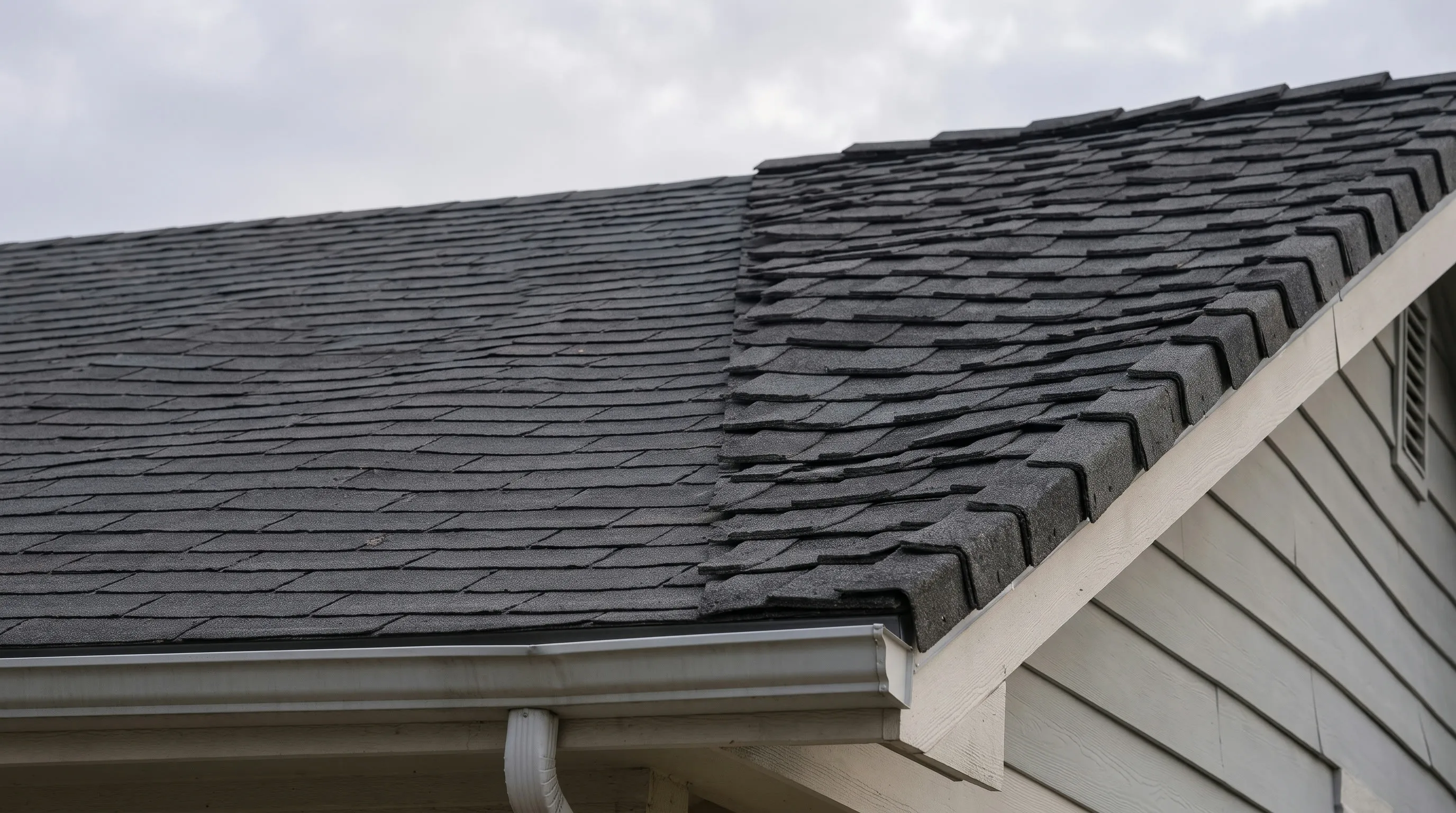
When a vendor pitches "AI-verified disaster mitigation," ask which of these capabilities they are actually selling today, and which guardrail above covers the gap between that and what is shipped.
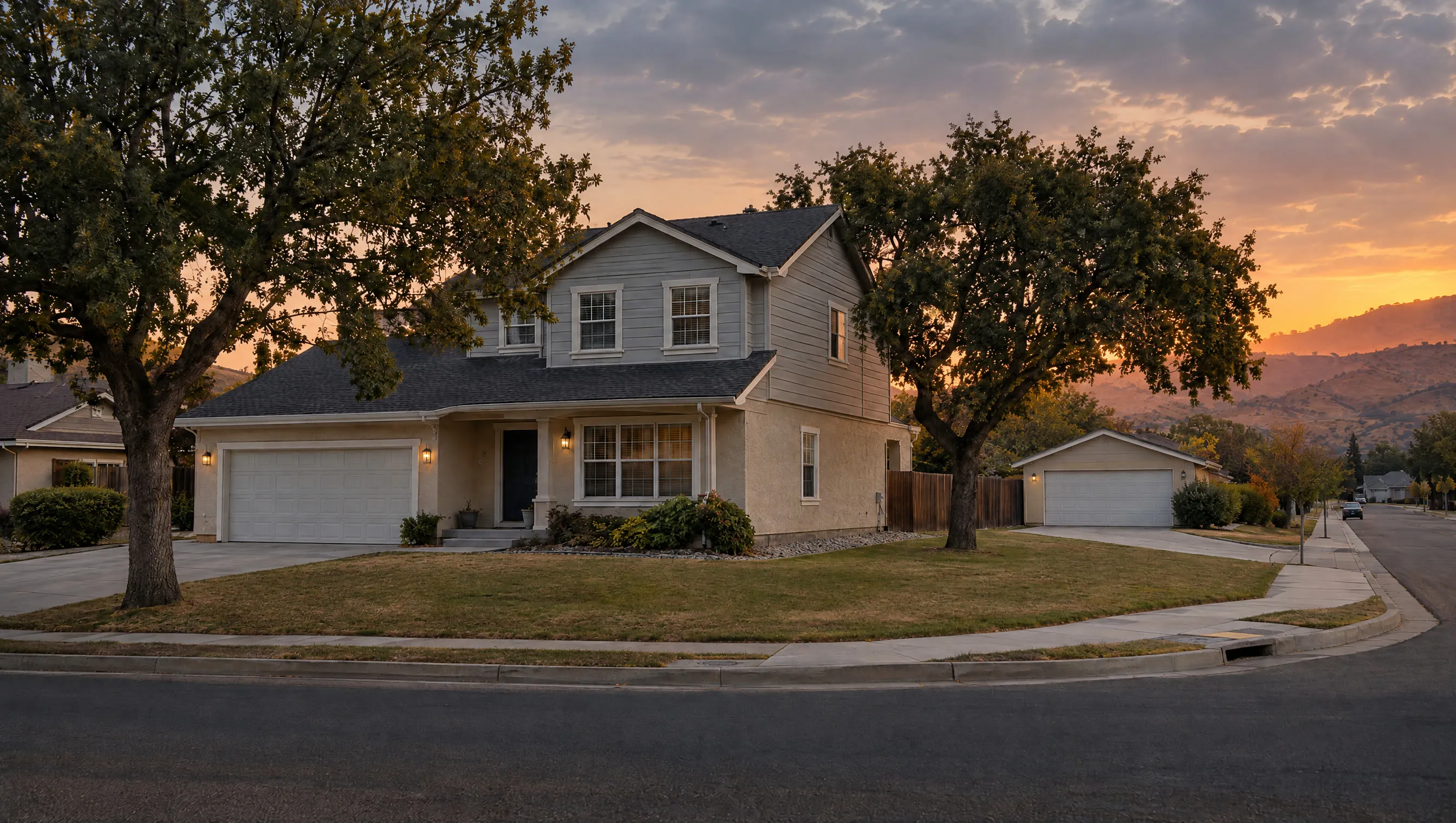
Seven checks, tied to field IDs, for the next file you open
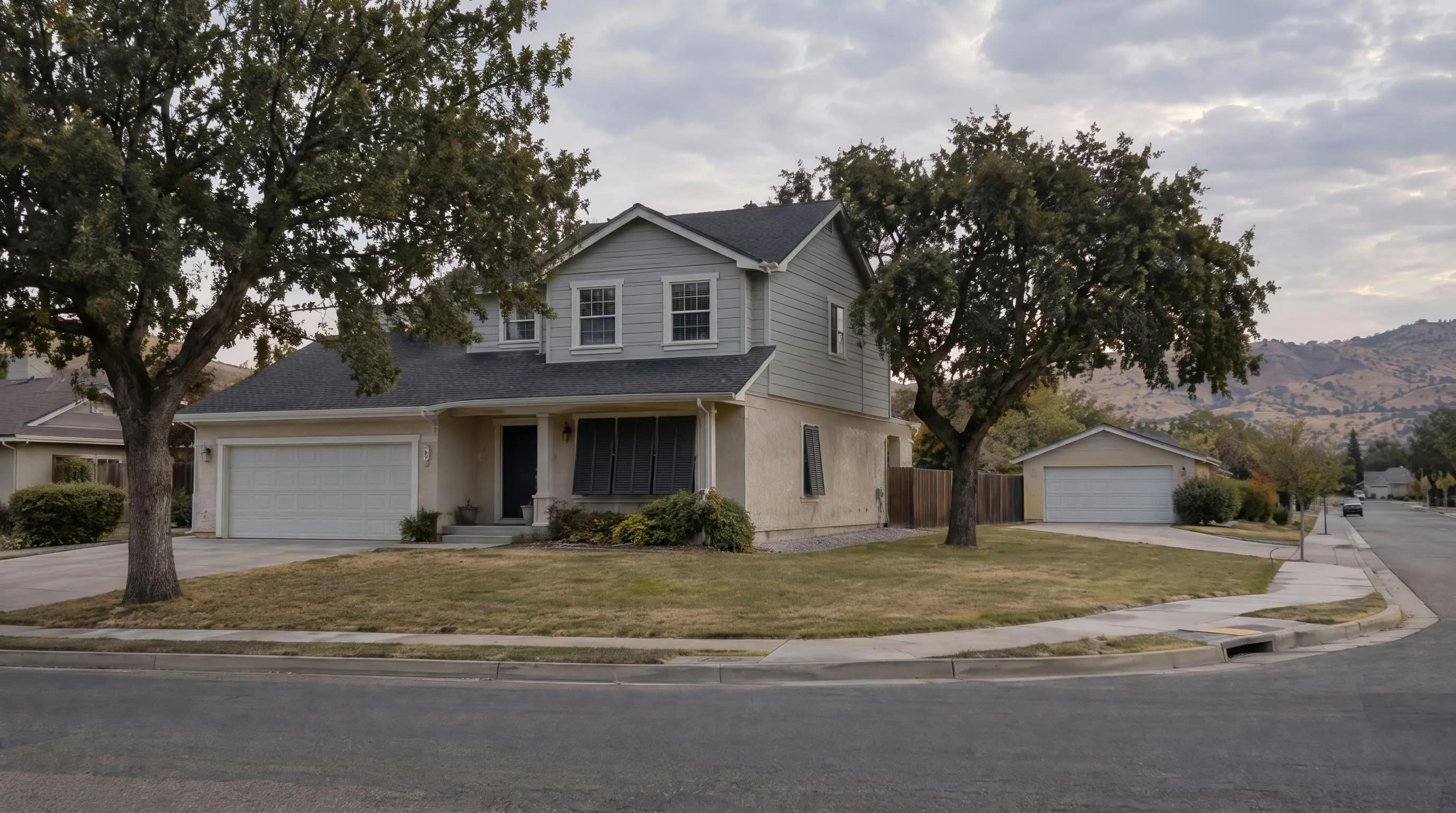
Each item below restates a rule from this post against a field ID. Check one off and the matching feature lights on the house below. Your progress is saved in this browser.
Review checklist
0 of 7 checked
Saved in this browser only.
Whether the GSEs will publish aggregate statistics on how often the Disaster Mitigation grid row is actually used and adjusted, the way they do for other UAD compliance metrics, is an open question as production data accumulates.
Research checked November 2, 2026 against the GSE documents listed below, including a fresh local copy of Appendix F-1 v1.4 and the September 2026 UAD 3.6 policy supplement. The house and its features are fictional and were generated with Higgsfield; the form pages and sample-report sections are screenshots of GSE publications. General information, not legal, lending or appraisal advice.
Sources
13 documents, accessed November 2, 2026
- Fannie Mae and Freddie Mac, Appendix F-1: URAR Reference Guide, v1.4, Section 5 (Disaster Mitigation), Section 6 (Energy Efficient and Green Features), Site Hazard Zone fields, and the Sales Comparison GridMarch 10, 2026
- Fannie Mae, Selling Guide Supplement: UAD 3.6 Policy, topics SB4-1.3-04 (Property Site, Disaster Mitigation, and Highest and Best Use), SB2-3-04 (Special Property Eligibility Considerations) and SB2-3-05 (Properties Affected by a Disaster)Sept. 2, 2026
- Fannie Mae and Freddie Mac, Appendix C-1: URAR without Report Field IDs, v1.3, p. 9 (blank Disaster Mitigation section layout)Current package
- Fannie Mae and Freddie Mac, UAD Specification Appendix C: Form 1004/70 with numbered fields, p. 1 (Additional features line, field 218)Form dated March 2005
- Fannie Mae and Freddie Mac, 2- to 4-Unit Scenario, Sample Scenario Appraisal, v1.4 (Hawaii)Current package
- Fannie Mae and Freddie Mac, Condominium 2 Scenario, Sample Scenario Appraisal, v1.4Current package
- GSE UAD 3.6.0 XSD schema, v1.3, EnumeratedTypes module (DisasterMitigationFeatureBase, ComparableAdjustmentBase, RenewableEnergyComponentOwnershipBase, ValueMarketabilityImpactBase, MechanicalSystemBase)Current package
- Fannie Mae, legacy UAD 2.6 Appendix D field standardization document (checked for mitigation, disaster, hazard and fortified terms; no matches)Legacy package
- Margaret A. Walls, The Evolving US Homeowners Insurance Market: Four Major Trends and What We Know About Them, Resources for the Future, Issue Brief IB 26-07Sept. 1, 2026
- Study Shows IBHS FORTIFIED Program Reduced Hurricane Sally Damage, Insurance Journal (University of Alabama Culverhouse College of Business and the Alabama Department of Insurance)May 28, 2025
- Climate Risk Emerges as New Mortgage Credit Metric, The MortgagePoint, reporting First Street’s 13th National Risk AssessmentMay 19, 2025
- Fannie Mae and Freddie Mac, UAD 3.6 Lessons Learned job aidJune 23, 2026
- US Department of Energy, Valuing Green: The Appraisal Process and Building America’s Top Innovation, on the Appraisal Institute’s 2011 Residential Green and Energy Efficient AddendumAccessed Nov. 2, 2026
The Signal / Twice-monthly briefing
Get the next UAD 3.6 analysis in your inbox.
One sourced briefing twice a month on valuation policy, collateral risk and property technology.
Unsubscribe in one click. We don't sell your email or share it with sponsors. Privacy Policy